
Welcoming a new puppy into your home is an exciting and joyous experience, filled with playful antics and the boundless energy of your furry friend. As you embark on this journey of companionship, one of the most crucial decisions you’ll make is choosing the right nutrition to support your puppy’s growth and development. Among the essential nutrients, protein stands out as a key ingredient in puppy food, playing a vital role in building strong muscles, supporting healthy development, and ensuring overall well-being. In this article, we’ll explore why protein is indispensable in your puppy’s diet, shedding light on its benefits and guiding you in making informed choices for your puppy’s health and happiness. Whether you’re a first-time puppy parent or a seasoned pet owner, understanding the importance of protein will help you provide the best start for your loyal companion.
Understanding the Essential Role of Protein in Your Puppys Growth and Development
Protein plays a crucial role in ensuring your puppy’s healthy growth and development. It’s not just about building strong muscles; protein is a fundamental building block for a variety of vital processes. When selecting puppy food, consider that protein contributes to:
- Muscle Development: As puppies are in their most active growth phase, they require ample protein to support the development of strong, lean muscles.
- Immune System Support: Proteins help in the formation of antibodies, which are essential for a robust immune system, keeping your puppy healthy and resilient against infections.
- Cellular Repair and Growth: Protein is vital for the repair and growth of cells, ensuring that your puppy’s body can heal and grow efficiently.
- Energy Supply: While fats and carbohydrates are primary energy sources, protein can also be metabolized to provide energy, especially important for active puppies.
Choosing a puppy food rich in high-quality protein sources ensures that your little furry friend gets the best start in life. Look for ingredients such as chicken, beef, or fish at the top of the ingredient list, as these provide the essential amino acids needed for optimum health and vitality.
Choosing the Right Protein Sources for Optimal Health in Puppies
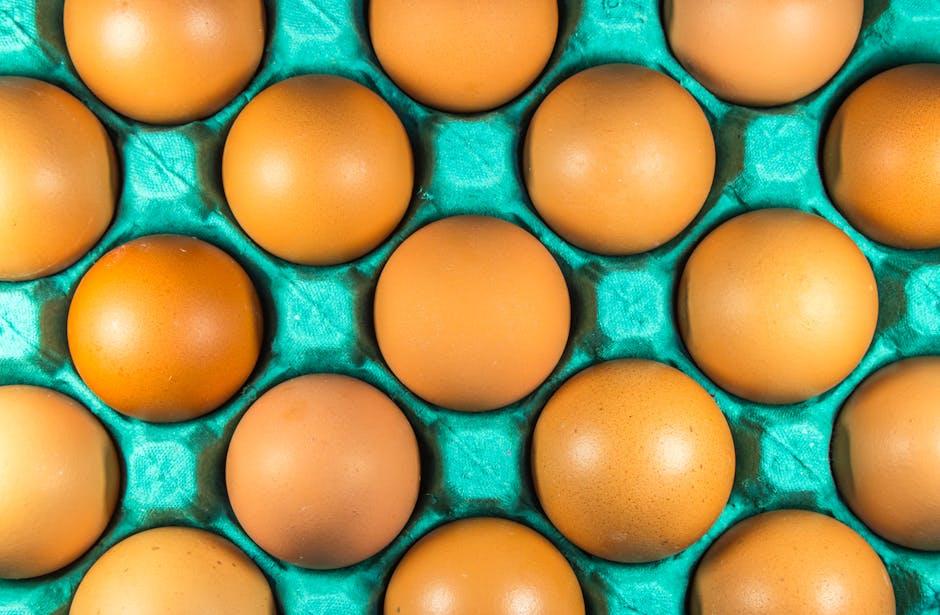
When it comes to nurturing a healthy and happy puppy, the selection of protein sources in their diet is crucial. Puppies are in a rapid growth phase, and they require high-quality proteins to support muscle development, immune function, and overall vitality. Animal-based proteins such as chicken, beef, lamb, and fish are excellent options as they provide complete amino acids essential for your puppy’s growth. Additionally, egg protein is highly digestible and rich in essential nutrients, making it a valuable addition to your puppy’s diet.
- Chicken: A lean source of protein, rich in B vitamins and phosphorus.
- Beef: Provides iron and zinc, supporting immune health and energy levels.
- Lamb: Offers high-quality protein and is a good alternative for puppies with sensitivities.
- Fish: Rich in omega-3 fatty acids, promoting a healthy coat and skin.
- Eggs: Highly digestible with a complete amino acid profile.
While animal-based proteins are often preferred, incorporating plant-based proteins such as lentils, chickpeas, and quinoa can also benefit your puppy’s diet, offering a diverse nutrient profile. It’s important to balance these sources to ensure your puppy receives all the necessary nutrients for their development. Always consult with a veterinarian to tailor the best protein-rich diet for your furry friend, ensuring they grow into strong and healthy dogs.

Practical Tips for Incorporating High-Quality Protein into Your Puppys Diet
- Opt for a Balanced Diet: When selecting food for your puppy, look for options that list real meat, like chicken or beef, as the first ingredient. This ensures that your puppy gets a substantial amount of high-quality protein. Avoid foods with excessive fillers such as corn or soy, which can dilute the protein content.
- Incorporate Variety: Just like humans, puppies can benefit from a variety of protein sources. Consider rotating between different types of meat, such as turkey, lamb, or fish, to provide a well-rounded nutritional profile and keep mealtime exciting for your furry friend.
- Monitor Portion Sizes: While protein is essential, it’s crucial to ensure your puppy receives the right amount based on their breed, age, and activity level. Overfeeding can lead to obesity, which can cause long-term health issues.
- Consider Homemade Meals: If you enjoy cooking, try preparing homemade meals for your puppy. This allows you to control the quality of ingredients and tailor the protein content to meet your puppy’s specific needs. Ensure you consult with a vet or a pet nutritionist to create a balanced meal plan.
Remember, a healthy start with high-quality protein can set the foundation for your puppy’s growth and overall well-being. Taking these steps will help ensure your puppy thrives and develops into a strong, happy adult dog.