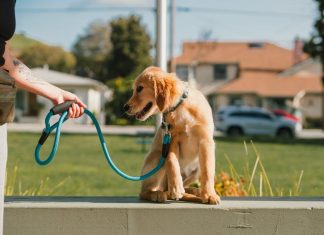

Welcoming a puppy into your home is an exciting and joyful experience, filled with wagging tails, playful antics, and boundless affection. However, alongside the cuddles and companionship comes the important responsibility of ensuring your new furry friend grows up healthy and happy. Whether you’re a first-time puppy parent or an experienced dog lover, understanding the essentials of puppy care is crucial for fostering a thriving life for your little one. In this guide, we will explore key tips and advice that will help you nurture your puppy with love and confidence, setting the foundation for a lifetime of health and happiness. From nutrition and exercise to training and socialization, let’s embark on this heartwarming journey to becoming the best caretaker for your adorable new family member.
Creating a Safe and Comfortable Home Environment for Your Puppy
Welcoming a puppy into your home is an exciting adventure, but it’s essential to ensure that their new environment is both safe and comfortable. Begin by puppy-proofing your space. This involves removing any hazardous items such as electrical cords, small objects that can be swallowed, and toxic plants. It’s a good idea to secure cabinets and block off areas that might be dangerous for your curious new friend. Consider setting up a cozy area specifically for your puppy. This space should include a soft bed, access to fresh water, and some favorite toys. Remember, this is their sanctuary where they can retreat and feel secure.
Incorporate elements that provide mental stimulation and comfort. You can achieve this by offering a variety of enrichment activities such as puzzle toys or interactive games. Additionally, establish a routine that includes regular feeding, playtime, and bathroom breaks to help your puppy feel at ease and understand their daily schedule. Consistency is key to building trust and a sense of security. make sure your home environment is a place of love and patience, allowing your puppy to grow and thrive in a positive atmosphere.
- Secure hazardous items – Keep electrical cords and small objects out of reach.
- Create a cozy space – Provide a bed, water, and toys.
- Introduce enrichment activities – Use puzzle toys and games.
- Establish a routine – Regular feeding and playtimes.

Balanced Nutrition and Feeding Guidelines for Growing Puppies
Ensuring your puppy receives balanced nutrition is crucial for their growth and development. A diet rich in high-quality protein, healthy fats, and essential vitamins and minerals sets the foundation for a vibrant life. Puppies have different nutritional needs compared to adult dogs, so it’s important to select a diet specifically formulated for their age and breed size. Incorporate a variety of foods to support their growing bodies, including:
- Lean meats: Chicken, turkey, and fish provide excellent sources of protein.
- Whole grains: Brown rice and oats are great for energy and digestion.
- Fruits and vegetables: Carrots, blueberries, and spinach offer essential vitamins and antioxidants.
Feeding guidelines should be followed to prevent overfeeding or underfeeding, which can lead to health issues. Puppies typically require more frequent meals than adult dogs, often needing to eat three to four times a day. Pay attention to portion sizes and adjust based on your puppy’s weight and activity level. Always ensure fresh water is available, and consult your veterinarian to tailor a feeding plan that best suits your puppy’s unique needs.

Exercise and Socialization Strategies for a Happy and Well-Adjusted Pup
Ensuring your pup gets plenty of exercise and social interaction is vital for their overall well-being. Not only does it help in maintaining a healthy weight and strong muscles, but it also plays a significant role in their mental health. Here are some strategies to keep your furry friend active and sociable:
- Daily Walks: Aim for at least two walks a day. Vary your routes to expose your pup to different sights, sounds, and smells.
- Playtime: Incorporate games like fetch, tug-of-war, or hide and seek. These activities stimulate both their mind and body.
- Training Sessions: Short, fun training sessions not only teach obedience but also strengthen the bond between you and your pup.
- Socialization Opportunities: Introduce your pup to other dogs and people. Visits to the dog park or puppy classes can be great for building confidence and social skills.
- Interactive Toys: Invest in puzzle toys that challenge your pup’s problem-solving abilities and keep them entertained.
By implementing these strategies, you’ll nurture a happy, well-adjusted puppy who is comfortable in various environments and situations. Remember, a little effort each day goes a long way in fostering a lifelong bond and ensuring your pup thrives.