

Welcoming a new puppy into your home is an exciting and heartwarming experience, filled with wagging tails, playful antics, and boundless energy. However, alongside the joy comes the responsibility of guiding your furry friend towards becoming a well-behaved and happy member of your family. Effective puppy training is the cornerstone of a harmonious relationship with your pet, fostering mutual understanding and respect. In this article, we will explore the best puppy training advice, offering practical tips and compassionate strategies to help you nurture your puppy’s potential. Whether you’re a first-time dog owner or a seasoned pet parent, our warm and instructive guide aims to equip you with the knowledge and confidence to raise a well-mannered dog who will bring joy to your life for years to come.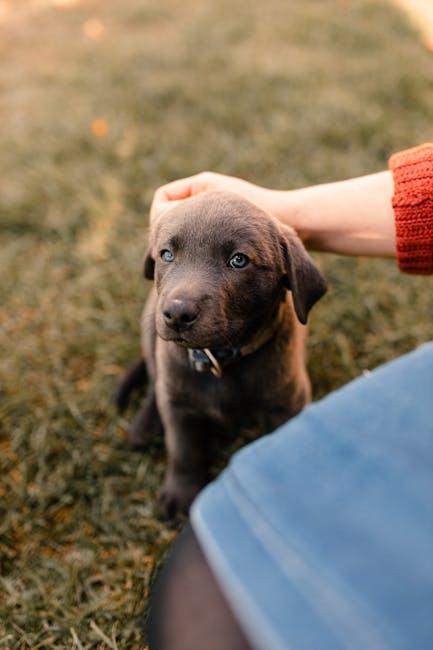
Creating a Strong Foundation: Essential Commands Every Puppy Should Learn
To ensure your puppy grows into a well-mannered dog, it’s crucial to teach them some fundamental commands. Sit, Stay, Come, and Leave it are not just words; they are tools that can enhance your puppy’s safety and your peace of mind. Each command serves a specific purpose in daily life. For instance, teaching your puppy to sit before crossing a street or stay when guests arrive can prevent chaos and accidents. Consistency is key, so practice these commands in various environments to reinforce their importance.
- Sit: Helps in managing your puppy’s excitement and can be the foundation for more advanced commands.
- Stay: Teaches patience and prevents your puppy from bolting into unsafe situations.
- Come: Essential for ensuring your puppy returns to you, especially in open or unfamiliar spaces.
- Leave it: Protects your puppy from ingesting harmful items and teaches impulse control.
By integrating these commands into your puppy’s routine, you establish a strong foundation for a lifelong partnership built on trust and respect. Remember, positive reinforcement and patience are your best allies in this journey.
Building Trust and Understanding: Positive Reinforcement Techniques for Your Pup
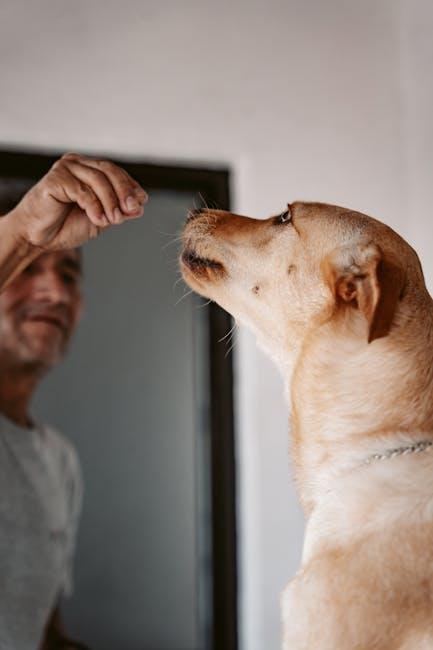
Positive reinforcement is a powerful tool in nurturing a trusting and understanding relationship with your puppy. By rewarding desired behaviors, you encourage your pup to repeat them, leading to a well-mannered companion. Start by identifying what motivates your puppy. Treats, toys, and affection are common rewards, but each dog is unique, so it’s essential to discover what your pup values most. Consistency is key. Ensure that you reward immediately after the desired behavior to make the connection clear for your furry friend.
Incorporate positive reinforcement into daily interactions with your puppy. Here are a few techniques to get you started:
- Clicker Training: Use a clicker to mark the precise moment your puppy performs the correct behavior, followed by a treat.
- Praise and Petting: Verbally acknowledge good behavior with a warm tone, and pair it with a gentle pat or cuddle.
- Playtime Rewards: Use a favorite toy as a reward, integrating play sessions into training to make learning fun.
- Short Training Sessions: Keep sessions brief and engaging, ensuring your pup remains focused and enthusiastic.
By incorporating these techniques, you create a nurturing environment that fosters growth and strengthens the bond with your pup, paving the way for a lifetime of mutual respect and understanding.
Navigating Challenges with Patience: Solutions for Common Puppy Behavior Issues
Embracing the journey of raising a puppy often involves facing a variety of challenges that require a great deal of patience and understanding. Whether it’s dealing with excessive barking, biting, or house training mishaps, it’s important to approach each issue with calm and positivity. Here are some effective strategies to tackle common puppy behavior problems:
- Consistent Training: Establish a routine that includes regular training sessions. Puppies thrive on consistency, so reinforce commands like “sit,” “stay,” and “leave it” daily.
- Positive Reinforcement: Reward good behavior with treats, praise, or playtime. This encourages your puppy to repeat desired actions and helps build a strong bond between you and your furry friend.
- Redirecting Energy: Puppies are naturally curious and full of energy. Provide plenty of toys and engage in interactive play to keep them entertained and less likely to engage in destructive behaviors.
- Patience and Understanding: Remember, puppies are learning and growing. Mistakes will happen, and it’s important to address them with patience rather than frustration.
With a warm heart and a steady hand, you can guide your puppy through these formative stages, fostering a well-behaved and happy companion for years to come.