

Welcoming a new puppy into your home is an exciting and joyful experience, filled with boundless energy and wagging tails. However, it also comes with its own set of challenges, particularly when it comes to training your furry friend for perfect obedience. This year, make the journey smoother and more rewarding by embracing proven techniques that not only foster discipline but also deepen the bond between you and your puppy. In this guide, we’ll walk you through essential training steps, offering tips and insights that cater to both novice and seasoned pet owners. With patience, consistency, and a touch of warmth, you can transform your playful pup into a well-mannered companion, ready to bring harmony and happiness to your home. Let’s embark on this delightful adventure together, ensuring your puppy becomes not just obedient, but an integral and cherished member of your family.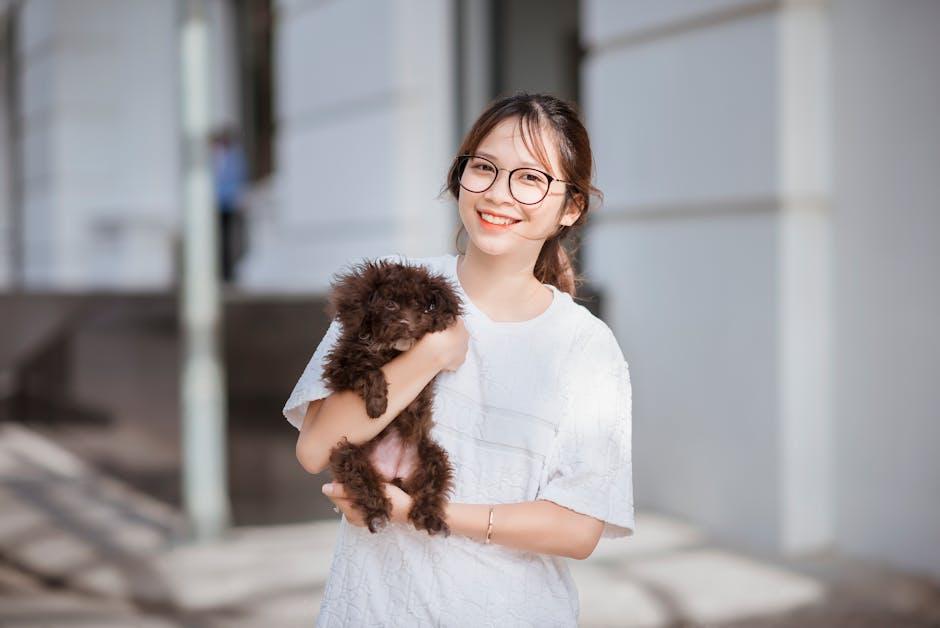
Understanding Your Puppys Needs and Building a Strong Bond
Building a strong bond with your puppy is the foundation of effective training and a harmonious relationship. Puppies, like humans, have basic needs that must be met for them to thrive and learn. Understanding these needs helps in creating an environment where they feel safe, loved, and ready to learn.
- Consistency: Establish a routine for feeding, walking, and training. Puppies thrive on predictability.
- Patience: Learning takes time. Celebrate small victories and be patient with setbacks.
- Socialization: Introduce your puppy to different environments, people, and other animals to foster a well-rounded personality.
- Positive Reinforcement: Reward good behavior with treats, praise, or playtime. This encourages your puppy to repeat desired actions.
- Exercise and Play: Ensure your puppy gets enough physical activity and mental stimulation to burn off energy and prevent boredom.
By focusing on these aspects, you create a nurturing environment where your puppy feels secure and eager to learn, paving the way for a lifelong bond built on trust and mutual respect.
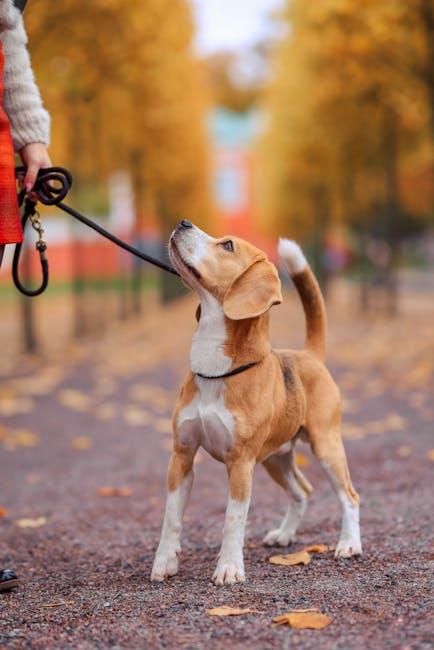
Essential Training Techniques for Effective Puppy Obedience
When embarking on the journey of training your puppy, a few essential techniques can set the foundation for lifelong obedience and joy. Consistency is the cornerstone of effective training. Ensure that commands, routines, and expectations are consistent across all family members to avoid confusing your puppy. Positive reinforcement is another crucial technique; reward your puppy with treats, praise, or affection whenever they follow a command correctly. This approach encourages repetition of good behavior.
- Short Sessions: Puppies have limited attention spans, so keep training sessions brief but frequent. Aim for 5-10 minute sessions several times a day.
- Clear Commands: Use simple, one-word commands and avoid complex phrases. This clarity helps your puppy understand what is expected.
- Patience and Understanding: Every puppy learns at their own pace. Celebrate small victories and remain patient during setbacks.
- Socialization: Expose your puppy to different environments, people, and other animals. This helps them become well-adjusted and confident.
By incorporating these techniques, you not only teach your puppy obedience but also strengthen the bond between you and your furry friend, fostering a relationship built on trust and respect.
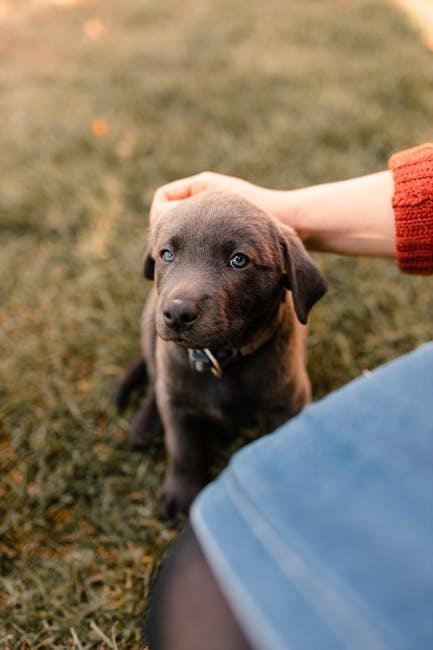
Creating a Consistent Routine and Positive Reinforcement Strategy
Establishing a routine is fundamental in shaping your puppy’s behavior and enhancing their learning experience. Puppies thrive on predictability, so set a consistent schedule for feeding, potty breaks, and training sessions. Consider setting reminders on your phone or using a planner to maintain this schedule. Here are some key points to consider when creating a routine:
- Consistency: Ensure that each activity occurs at the same time every day. This helps your puppy know what to expect and reduces anxiety.
- Short Sessions: Keep training sessions brief, around 5-10 minutes, to maintain your puppy’s attention and prevent boredom.
- Balanced Activities: Include a mix of playtime, training, and rest to ensure your puppy remains engaged and healthy.
Positive reinforcement is a powerful tool in training your puppy, making learning enjoyable and effective. Reward desired behaviors with treats, praise, or a favorite toy to encourage repetition. When implementing this strategy, remember:
- Immediate Rewards: Provide a reward immediately after the desired behavior to help your puppy make the connection.
- Variety: Use different types of rewards to keep your puppy motivated and excited.
- Patience: Every puppy learns at their own pace, so be patient and celebrate small victories.
By creating a structured routine and utilizing positive reinforcement, you lay the groundwork for a well-behaved and happy puppy.