
Welcoming a new puppy into your home is a heartwarming experience, filled with joy, laughter, and a few playful nibbles. As a responsible pet parent, ensuring the health and happiness of your furry friend is a top priority. Among the various aspects of puppy care, maintaining the health of their eyes and ears is crucial yet often overlooked. Just like humans, puppies rely heavily on these senses to explore their world and communicate with you. In this guide, we’ll walk you through gentle and effective methods to care for your puppy’s eyes and ears, helping you to foster a loving bond while keeping your little companion in tip-top shape. Whether you’re a first-time pet owner or a seasoned dog lover, these simple tips will empower you to confidently nurture your puppy’s well-being.
Understanding Your Puppys Eye Health: Common Issues and Solutions
As a puppy parent, it’s important to be aware of the common eye issues that can affect your furry friend. Puppies are naturally curious and often get into situations that can lead to eye irritations or infections. Some common eye problems include:
- Conjunctivitis: Also known as “pink eye,” this condition causes redness and swelling of the eye lining. It’s usually due to bacteria or allergens.
- Corneal Ulcers: These are painful sores on the surface of the eye, often caused by scratches or foreign objects.
- Dry Eye: A condition where the eyes do not produce enough tears, leading to irritation and potential damage to the eye surface.
To keep your puppy’s eyes healthy, regularly check for signs of redness, discharge, or cloudiness. If you notice anything unusual, consult your veterinarian promptly. Additionally, practice good hygiene by gently wiping your puppy’s eyes with a damp cloth to remove any debris. Ensure that their environment is free from irritants like dust or harsh chemicals, and provide a balanced diet to support their overall health, which can also benefit their eyes.
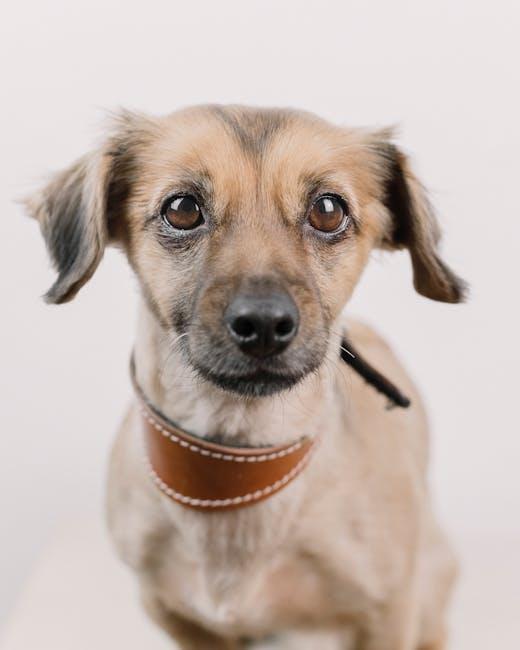
Gentle Ear Cleaning Techniques: Keeping Your Puppys Ears Healthy
Maintaining your puppy’s ear health is essential for their overall well-being. Gently cleaning your puppy’s ears not only prevents infections but also helps in identifying any issues early on. Begin by choosing the right tools: a soft cloth or cotton ball, and a veterinarian-approved ear cleaning solution. Avoid using cotton swabs as they can push debris further into the ear canal.
To start, create a calming environment for your puppy. This could be achieved by gently petting them and speaking in a soothing voice. Once your puppy is relaxed, apply a few drops of the ear cleaning solution into the ear canal. Massage the base of the ear gently to help the solution work its way through, loosening any dirt or wax.
- Wipe away any debris with the soft cloth or cotton ball.
- Inspect the ears for signs of redness, bad odor, or excessive wax, which could indicate an infection.
- Reward your puppy with a treat and praise to create a positive association with ear cleaning.
Regular ear checks and cleaning can prevent many common ear issues. Remember, if you’re ever in doubt about your puppy’s ear health, consulting with a veterinarian is always a wise choice.

Essential Tips for Preventing Eye and Ear Infections in Puppies
Ensuring your puppy’s eyes and ears remain infection-free is crucial for their overall health and happiness. Here are some vital tips to keep these sensitive areas clean and healthy:
- Regular Cleaning: Gently clean your puppy’s eyes and ears with a soft, damp cloth. Use a separate cloth for each area to avoid cross-contamination. For the ears, you can also use vet-approved ear cleaning solutions.
- Monitor for Signs of Infection: Keep an eye out for redness, discharge, or unusual odors, which can indicate an infection. Early detection is key to preventing more serious issues.
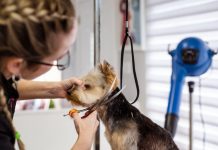
- Grooming: Regular grooming helps to prevent dirt and debris from accumulating around your puppy’s eyes and ears. Trim any excess hair around these areas to improve air circulation and reduce the risk of infections.
- Diet and Nutrition: A well-balanced diet supports your puppy’s immune system, helping them fight off potential infections. Consult your vet for dietary recommendations tailored to your puppy’s specific needs.
By incorporating these practices into your puppy’s routine, you’ll not only prevent infections but also strengthen the bond with your furry friend through gentle care and attention.