
Welcoming a puppy into your home is a joyful experience filled with boundless energy, wagging tails, and endless cuddles. As a new pet parent, you naturally want to ensure that your furry friend grows up to be healthy and happy. Just like humans, puppies require a nurturing environment, a balanced diet, and regular health check-ups to thrive. In this article, we will explore essential puppy health tips that will set the foundation for a lifetime of well-being. From understanding nutritional needs to recognizing signs of common health issues, our guide aims to equip you with the knowledge to provide the best care for your new companion. Let’s embark on this heartwarming journey of nurturing your puppy’s health together, ensuring every wag and woof is filled with vitality and joy.
Creating a Nutritious Diet Plan for Your Growing Puppy
Crafting a diet plan for your puppy involves understanding their unique nutritional needs to support their rapid growth and boundless energy. Puppies require a balanced intake of proteins, fats, carbohydrates, vitamins, and minerals. Proteins are essential for muscle development, while fats provide a concentrated energy source and aid in brain development. Carbohydrates supply the energy needed for their playful antics, and vitamins and minerals support their overall health and immune system.
When choosing a puppy food, look for high-quality ingredients and consult your veterinarian for recommendations tailored to your puppy’s breed, size, and activity level. Consider the following tips when planning your puppy’s meals:
- Feed frequent, small meals throughout the day to accommodate their small stomachs and high energy needs.
- Transition gradually to new foods to avoid digestive upsets.
- Monitor their weight and adjust portions as needed to maintain a healthy growth rate.
Remember, each puppy is unique, and what works for one may not work for another. Regularly consult with your veterinarian to ensure your furry friend is thriving on their diet and adjust as they grow.
Essential Vaccinations and Preventative Care for Long-term Wellness
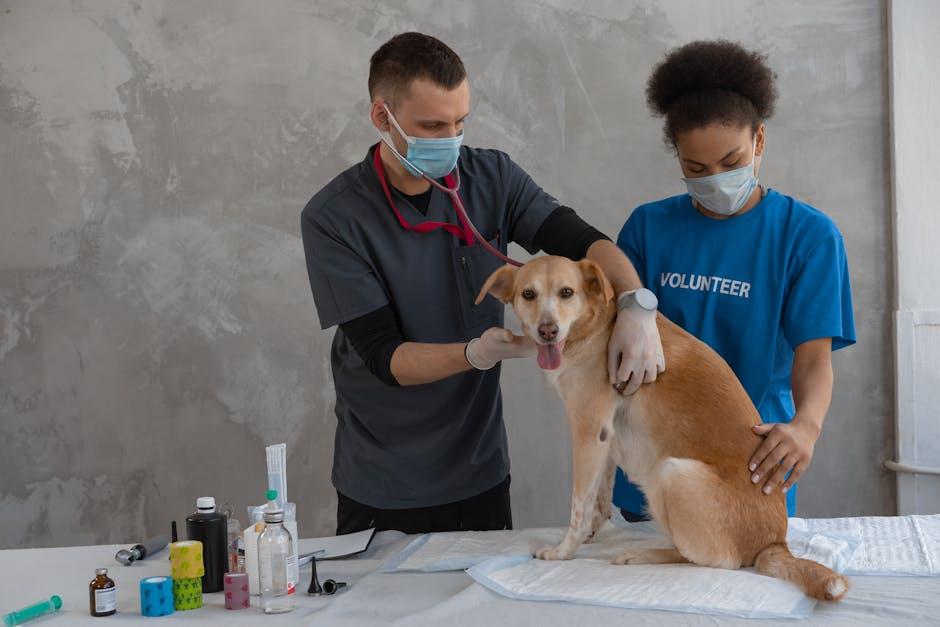
Ensuring your puppy receives the right vaccinations and preventative care is crucial for a lifetime of health and happiness. Core vaccinations are a must for all puppies, safeguarding them against common and potentially life-threatening diseases. These typically include:
- Canine Parvovirus
- Distemper
- Canine Hepatitis
- Rabies
Non-core vaccinations, recommended based on your puppy’s lifestyle and environment, might include protection against Bordetella, Lyme disease, and canine influenza. Consult with your veterinarian to tailor a vaccination schedule that suits your puppy’s specific needs.
In addition to vaccinations, preventative care plays a significant role in your puppy’s health journey. Regular veterinary check-ups, a balanced diet, and parasite control are all integral components. Consider establishing a routine that includes:
- Monthly flea and tick prevention
- Heartworm prevention
- Annual wellness exams
By prioritizing these elements, you’re setting a foundation for a robust immune system and long-term wellness for your furry friend.

Building a Safe and Stimulating Environment for Your Puppy
Creating a haven for your puppy involves more than just providing food and water. It’s about crafting a space where they can explore, learn, and feel secure. Start by ensuring that your home is puppy-proofed. Remove or secure any items that could be hazardous, such as electrical cords, small objects that can be swallowed, and toxic plants. Consider using baby gates to block off areas that are off-limits.
Engage your puppy’s curious mind by offering a variety of toys and activities. Provide a mix of chew toys, puzzle games, and interactive playthings to keep them entertained and mentally stimulated. Rotate the toys regularly to maintain their interest and prevent boredom. Additionally, designate a quiet area where your puppy can retreat when they need to rest or feel overwhelmed.
Socialization is another key element of a stimulating environment. Introduce your puppy to different people, animals, and environments gradually. This exposure helps them become well-adjusted and confident adults. Arrange for supervised playdates with other dogs or take them on short, varied walks to new locations. Remember, a safe and stimulating environment is foundational to your puppy’s health and happiness, nurturing their growth into a well-rounded companion.