
Welcoming a puppy into your home is a heartwarming experience filled with joy, cuddles, and playful antics. However, along with the laughter and companionship, comes the responsibility of ensuring your furry friend stays healthy and vibrant. Maintaining your puppy’s health is not just about regular vet visits; it involves daily practices that nurture their physical and emotional well-being. In this article, we will guide you through simple yet effective steps to keep your puppy’s health in check every day. From balanced nutrition and exercise routines to grooming tips and creating a safe environment, these insights will help you provide the best care for your new family member. Embrace this journey with warmth and dedication, and watch your puppy grow into a happy, healthy dog.
Daily Nutritional Needs and Balanced Diet Tips for Your Puppy
Ensuring your puppy receives the right nutrients is crucial for their growth, energy, and overall well-being. Puppies have unique dietary requirements compared to adult dogs, and providing a balanced diet is essential. Here’s a simple guide to keep your furry friend thriving:
- Protein-Rich Foods: Vital for muscle development, protein should be the main component of your puppy’s diet. Consider high-quality sources like chicken, turkey, or fish.
- Healthy Fats: Essential for energy and a shiny coat, healthy fats such as omega-3 and omega-6 should be included. Look for ingredients like fish oil or flaxseed.
- Carbohydrates: Carbs provide the necessary energy for playful pups. Opt for whole grains like brown rice or oatmeal for sustained energy levels.
In addition to these core components, ensure your puppy’s meals are fortified with vitamins and minerals to support their developing immune system. Incorporating a variety of fruits and vegetables can provide these nutrients naturally. Remember, portion control is key. Follow feeding guidelines based on your puppy’s breed, size, and activity level, and consult your vet for personalized advice. With the right balance, you’ll lay the foundation for a lifetime of health and happiness for your beloved companion.

Creating a Consistent Exercise Routine to Boost Your Puppys Well-being
Developing a regular exercise schedule for your puppy is a cornerstone for fostering their physical and mental health. Puppies are bundles of energy, and channeling that energy through structured activities not only helps in maintaining their weight but also enhances their social skills and reduces destructive behavior. Begin by integrating short, fun play sessions that fit seamlessly into your daily routine. As your puppy grows, gradually increase the duration and intensity of these sessions to match their stamina and enthusiasm.
- Morning Walks: Kickstart the day with a brisk walk around the block. This not only helps your puppy burn off energy but also allows them to explore the world around them, engaging their senses.
- Interactive Play: Incorporate games like fetch or tug-of-war in the afternoon. These activities are excellent for bonding and can be done in your backyard or a nearby park.
- Evening Strolls: A leisurely walk in the evening can help your puppy wind down, promoting better sleep patterns.
It’s crucial to keep your puppy’s age, breed, and health status in mind when planning these activities. For breeds prone to joint issues, opt for low-impact exercises like swimming. Always observe your puppy for signs of fatigue or discomfort, and consult your veterinarian to tailor the routine to suit their specific needs. Remember, consistency is key, and the joy in your puppy’s wagging tail will be your ultimate reward!
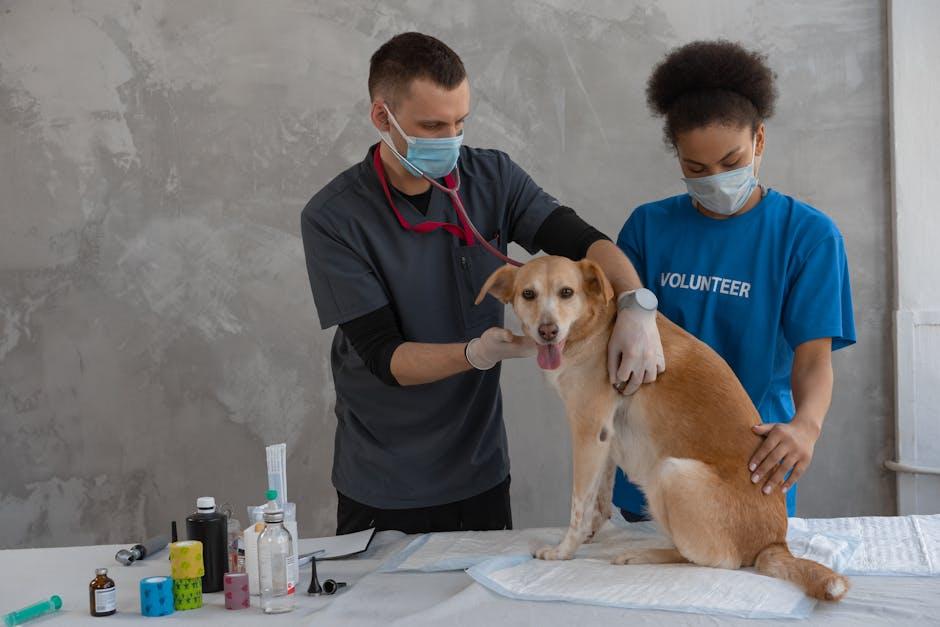
Recognizing Early Signs of Health Issues and When to Consult a Vet
As a loving pet parent, it’s crucial to be vigilant about the subtle cues your puppy may exhibit, indicating underlying health concerns. Monitoring your pup’s behavior and physical condition daily can help you catch early signs of health issues. Look for changes in their eating or drinking habits, energy levels, or bathroom routines. Puppies are naturally curious and playful, so any prolonged lethargy or reluctance to engage in activities they usually enjoy should raise a red flag.
Be attentive to physical signs such as unusual lumps or bumps, persistent scratching, or changes in coat texture and shine. Also, observe their eyes, nose, and ears for any discharge or redness. An occasional sneeze or cough is usually harmless, but consistent symptoms could signal something more serious. Regularly check your puppy’s mouth for signs of dental issues like bad breath or inflamed gums.
- Eating or drinking less than usual
- Unexplained weight changes
- Vomiting or diarrhea that lasts more than a day
- Difficulty breathing or persistent coughing
If you notice any of these signs, it’s wise to consult with your vet. Early intervention is key to addressing potential health issues before they escalate. Your veterinarian is your best resource for guidance and reassurance, helping to ensure your furry friend stays healthy and happy.