
Welcoming a puppy into your home is an exciting journey filled with joy, companionship, and a few playful antics along the way. As new puppy parents, ensuring the health and happiness of your furry friend is undoubtedly a top priority. Puppies, with their boundless energy and curiosity, can sometimes find themselves facing common health challenges. This guide aims to provide you with practical and easy-to-follow tips to help your puppy avoid common illnesses, ensuring they grow up healthy and strong. By understanding the basics of puppy health care, you can create a nurturing environment that promotes their well-being and allows your new family member to thrive. Let’s embark on this journey together, equipping you with the knowledge and tools needed to keep your puppy safe and healthy.
Understanding Your Puppys Nutritional Needs for Optimal Health
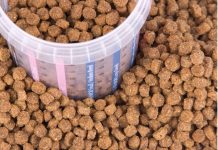
Ensuring your puppy receives a balanced diet is crucial for building a strong foundation for their health. Puppies have different nutritional needs than adult dogs, requiring a diet rich in proteins, fats, vitamins, and minerals to support their rapid growth and development. When selecting a puppy food, look for high-quality ingredients that list meat as the primary component, avoiding products with excessive fillers or artificial additives.
- Protein: Vital for muscle development, look for a diet that includes quality sources like chicken, beef, or fish.
- Fats: Provide energy and help with brain development. Ensure a good balance of omega-3 and omega-6 fatty acids.
- Carbohydrates: Necessary for energy, but should be from whole grains or vegetables to avoid unnecessary weight gain.
- Vitamins and Minerals: Essential for immune system support and overall health, ensure your puppy food contains a well-rounded mix of these nutrients.
Feeding your puppy according to their specific needs will not only help them avoid common illnesses but also support their immune system and energy levels. Consult with your veterinarian to tailor a diet plan suited to your puppy’s breed, size, and lifestyle, ensuring they grow into a healthy and happy adult dog.

Building a Safe and Stimulating Environment to Prevent Illness
Creating a nurturing space for your puppy is essential for promoting both physical health and mental well-being. Puppies are naturally curious and energetic, and their environment should reflect this. To keep your puppy safe and engaged, consider the following elements:
- Secure Boundaries: Ensure your home and yard are secure to prevent your puppy from wandering into unsafe areas. Check for any gaps in fences and secure any potential escape routes.
- Safe Toys: Provide a variety of toys that are appropriate for your puppy’s age and size. Avoid toys with small parts that could be swallowed, and regularly inspect them for wear and tear.
- Cleanliness: Regularly clean your puppy’s living area to prevent the spread of germs and parasites. This includes washing bedding, toys, and food bowls frequently.
Beyond safety, a stimulating environment is key to preventing boredom-related behaviors that can lead to stress and illness. Enrich your puppy’s surroundings with activities that challenge their mind and body:
- Interactive Play: Engage your puppy with interactive games like fetch or tug-of-war to keep them physically active and mentally alert.
- Puzzle Feeders: Use puzzle feeders to make mealtime an engaging challenge. This not only provides mental stimulation but also slows down eating, aiding in digestion.
- Socialization: Introduce your puppy to new people, animals, and environments gradually to build confidence and reduce anxiety.
By thoughtfully designing your puppy’s environment, you create a foundation for a healthy, happy life. Remember, a well-cared-for puppy is a resilient one, capable of bouncing back from minor setbacks and thriving in their new home.

Recognizing Early Signs of Common Puppy Ailments and When to Seek Help
Keeping an eye on your puppy’s health is crucial, especially since they can’t tell you when something’s wrong. Early detection can make all the difference in ensuring your furry friend stays healthy and happy. Some signs may seem minor but could indicate more serious conditions. Here are a few early indicators to watch for:
- Lethargy: Puppies are naturally playful and energetic. If your pup suddenly becomes less active or seems unusually tired, it could be a sign of underlying health issues.
- Appetite Changes: Both a loss of appetite or excessive hunger can be red flags. Monitor your puppy’s eating habits closely, and consult a vet if you notice any drastic changes.
- Vomiting or Diarrhea: Occasional stomach upsets can be normal, but frequent vomiting or diarrhea should be taken seriously. These symptoms can lead to dehydration and require immediate attention.
- Persistent Scratching or Biting: While it’s normal for puppies to scratch or bite occasionally, persistent behavior could indicate skin infections, allergies, or parasites.
If you notice any of these symptoms, it’s wise to consult with a veterinarian. Timely intervention can prevent minor issues from developing into serious health problems. Always trust your instincts—after all, you know your puppy best. By staying vigilant and informed, you can ensure your little companion grows into a strong and healthy dog.