
Welcoming a new puppy into your home is an exciting and joyful experience, but it also comes with the responsibility of nurturing a well-behaved companion. While those playful antics and curious sniffs can be endearing, it’s crucial to lay a strong foundation for your pup’s behavior to prevent any future aggression. Understanding and addressing aggressive tendencies early on is key to fostering a harmonious relationship between your furry friend and your family. In this guide, we’ll explore the best puppy training tips that focus on preventing aggression, helping you raise a confident and gentle pet. Whether you’re a first-time puppy parent or looking to refine your training techniques, these insights will empower you to cultivate a loving and peaceful environment for your pup to thrive.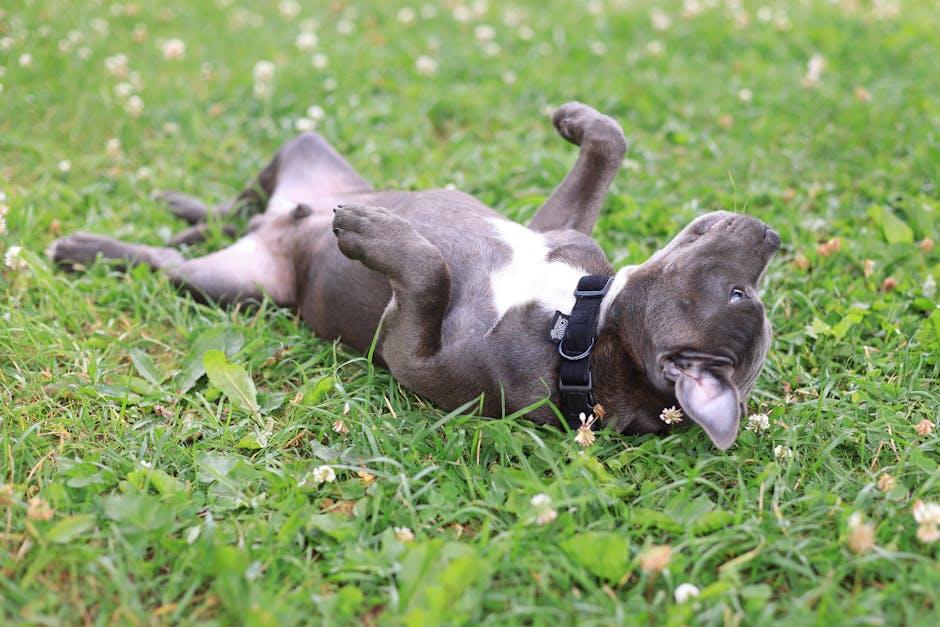
Understanding Puppy Behavior and Early Warning Signs
Recognizing the nuances of puppy behavior can be crucial in guiding them towards becoming well-adjusted adult dogs. Puppies, much like children, communicate their feelings and needs through their actions. Understanding these behaviors early on can help prevent the development of aggressive tendencies.
One of the first things to observe is how your puppy interacts with other animals and humans. Does your puppy frequently growl, snap, or exhibit signs of fear? These could be early warning signs of potential aggression. It’s essential to differentiate between playful growling and aggressive growling. Playful growling is usually accompanied by a wagging tail and a relaxed body posture, while aggressive growling may be more intense, with a stiff body and bared teeth.
- Socialization: Introduce your puppy to various environments, people, and other dogs. This exposure helps them feel comfortable and less fearful in different situations.
- Positive Reinforcement: Reward calm and friendly behavior with treats or praise. This encourages them to repeat such behaviors.
- Consistency: Maintain a consistent routine and set of rules to help your puppy understand what is expected of them.
Remember, each puppy is unique, and their behavior can be influenced by their breed, environment, and experiences. Early intervention and training can significantly reduce the risk of aggression as they mature.
Positive Reinforcement Techniques to Encourage Good Behavior
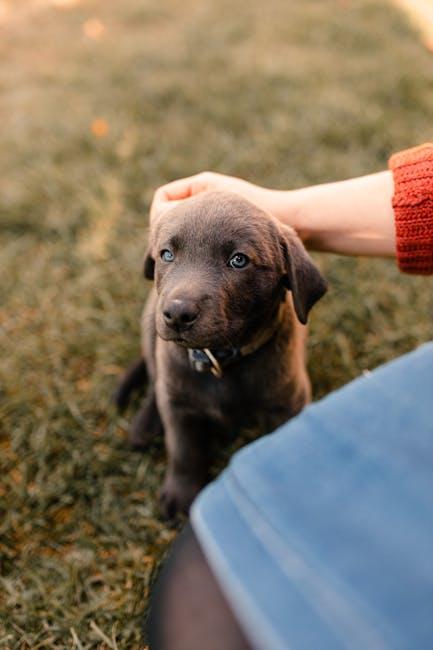
Embracing positive reinforcement techniques is a heartwarming and effective way to encourage your puppy to exhibit good behavior. By focusing on rewards rather than punishments, you create a nurturing environment where your puppy feels safe and motivated to learn. Here are some powerful methods to guide you on this joyful journey:
- Use Treats Wisely: Treats are a universal language for puppies. Ensure you choose healthy options and give them promptly after desired behaviors. This will help your puppy associate the behavior with a positive outcome.
- Verbal Praise: Never underestimate the power of a cheerful voice. Words like “good boy” or “well done” delivered with enthusiasm can make your puppy’s tail wag with delight. Pair verbal praise with a gentle pat or a loving scratch behind the ears for added impact.
- Playtime as a Reward: Puppies love to play! Use playtime as a reward for good behavior. Engaging in a favorite game or toy can reinforce positive actions and strengthen your bond.
- Consistency is Key: Be consistent with your rewards. Puppies thrive on routine and predictability. Reinforce good behavior every time it occurs to help your puppy understand what is expected.
By incorporating these techniques into your training routine, you not only foster good behavior but also build a foundation of trust and love with your puppy. Remember, patience and consistency are your best allies in preventing aggression and nurturing a well-behaved companion.
Creating a Safe and Structured Environment for Your Puppy
When it comes to nurturing a well-behaved and happy puppy, setting up a safe and structured environment is paramount. This foundation not only prevents potential aggressive behavior but also fosters a sense of security and predictability for your furry friend. Start by puppy-proofing your home to eliminate hazards. Ensure that dangerous items like electrical cords, small objects, and toxic plants are out of reach.
- Designate a specific area for your puppy, such as a playpen or a cozy corner with their bed and toys. This creates a secure space where they can relax and feel at ease.
- Implement a consistent daily routine, including regular feeding times, bathroom breaks, and play sessions. Predictability helps puppies understand what to expect, reducing anxiety and potential aggressive tendencies.
- Provide a variety of chew toys to keep your puppy entertained and to redirect any biting behavior away from your hands or furniture.
Remember, your puppy looks to you for guidance. Positive reinforcement is a powerful tool; reward good behavior with treats and affection. With a nurturing environment and a structured routine, you’re setting the stage for a harmonious relationship with your puppy, helping them grow into a well-adjusted and gentle adult dog.