

Welcoming a new puppy into your home is an exciting adventure filled with joy, laughter, and a few inevitable challenges. As adorable as they are, puppies come with a bundle of energy and curiosity that needs to be guided in the right direction. Creating a puppy training plan that truly works is not just about teaching your furry friend to sit or stay; it’s about building a strong, loving bond and setting the foundation for a happy, well-behaved companion. In this guide, we’ll walk you through the essential steps to develop a training plan that suits your puppy’s unique personality and your lifestyle, ensuring a harmonious relationship filled with mutual respect and understanding. Whether you’re a first-time puppy parent or a seasoned dog lover, these insights will help you navigate the rewarding journey of puppy training with confidence and warmth.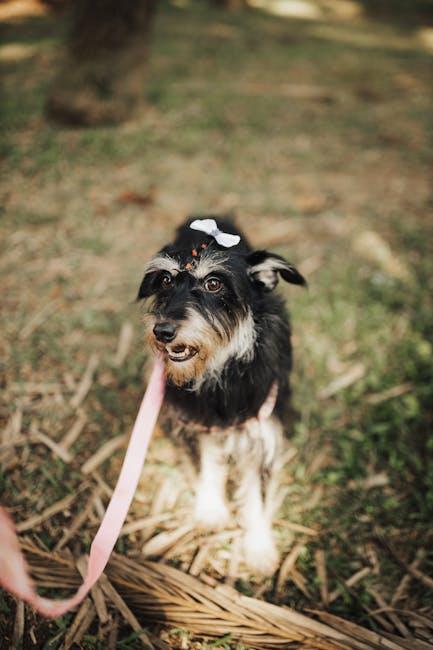
Establishing a Foundation with Positive Reinforcement
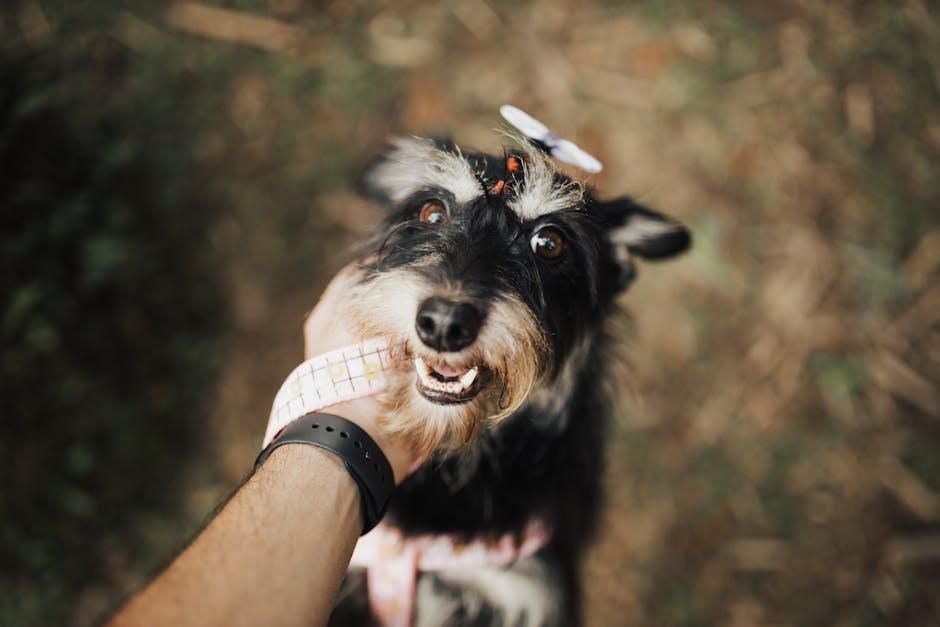
When embarking on the journey of training your new puppy, utilizing positive reinforcement is key to building a solid foundation. This method not only helps in nurturing a trusting relationship but also ensures that learning is a fun and rewarding experience for your furry friend. At the core of this approach is the concept of rewarding desired behaviors, which encourages your puppy to repeat them. Here’s how you can effectively implement this technique:
- Immediate Rewards: Timing is everything. Offer treats, praise, or affection right after your puppy performs the desired action. This immediate connection helps them understand what behavior is being rewarded.
- Consistency: Be consistent with the commands you use and the rewards you offer. This clarity helps your puppy learn faster and reduces confusion.
- Variety of Rewards: Mix up the rewards to keep your puppy motivated. While treats are a great starting point, verbal praise and playtime are equally effective.
- Gradual Reduction: As your puppy masters a command, slowly reduce the frequency of treats, but continue with verbal praise. This helps in transitioning from treat-dependence to a more intrinsic motivation.
By focusing on positive reinforcement, you’re not just teaching your puppy commands but also building a bond of trust and understanding that will last a lifetime. Embrace patience and celebrate small victories along the way.
Crafting a Consistent Daily Routine for Your Puppy
Establishing a consistent daily routine is vital for your puppy’s development and well-being. Puppies thrive on predictability, which helps reduce anxiety and build trust. Start by creating a daily schedule that includes the following key elements:
- Meal Times: Feed your puppy at the same times each day to help regulate their digestive system and create a sense of security.
- Potty Breaks: Take your puppy outside for bathroom breaks at regular intervals. This not only aids in housebreaking but also prevents accidents inside the home.
- Play and Exercise: Incorporate play sessions to expend energy and stimulate your puppy’s mind. A well-exercised puppy is a well-behaved puppy.
- Training Sessions: Dedicate short, focused periods to training, using positive reinforcement to teach commands and good behavior.
- Rest and Sleep: Ensure your puppy has a quiet, comfortable place to rest. Puppies need plenty of sleep to grow and process the day’s learning.
By following a structured routine, you help your puppy adapt to their new environment with ease. Consistency is key—stick to the schedule as much as possible to foster a happy, well-adjusted companion.
Building Social Skills and Encouraging Good Behavior
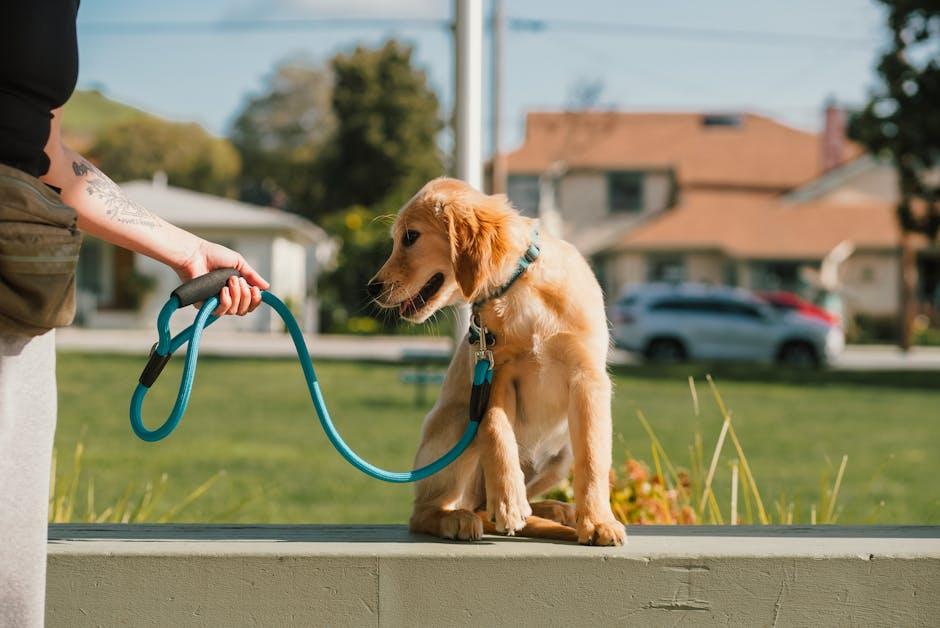
Incorporating social skills and promoting good behavior in your puppy’s training plan is crucial for their overall development and harmony in your home. Start by introducing your puppy to a variety of environments and experiences. This not only helps them become well-adjusted but also reduces anxiety in unfamiliar situations. Make sure to socialize them with other dogs and people, ensuring these interactions are positive and safe. Utilize rewards such as treats and praise to reinforce good behavior, helping your puppy associate being friendly and calm with positive outcomes.
To encourage good behavior, focus on consistency and patience. Establish clear boundaries and use commands like “sit,” “stay,” and “leave it” to teach your puppy what is expected of them. Consistent training sessions, ideally short and fun, can make learning more engaging for your puppy. Consider these strategies:
- Use Positive Reinforcement: Reward desired behaviors immediately with treats or affection.
- Redirect Unwanted Behaviors: If your puppy is chewing on furniture, provide a toy as an alternative.
- Stay Consistent: Ensure everyone in the household uses the same commands and rules.
- Be Patient: Remember, puppies are learning. Mistakes are part of the process.
By embedding these practices into your training plan, you’re not just teaching commands but nurturing a well-behaved and socially adept companion.