

Welcoming a new puppy into your home is an exciting and joyful experience, but it also comes with its fair share of challenges, especially for busy owners. Between juggling work, family commitments, and everyday responsibilities, finding the time to properly train your furry friend might seem daunting. However, with the right techniques and a little patience, you can raise a well-behaved and happy pup without sacrificing your busy schedule. In this article, we’ll explore the best puppy training techniques tailored specifically for those with limited time, ensuring that both you and your puppy can thrive together. Whether you’re a first-time dog parent or a seasoned pet owner, these practical and effective strategies will help you create a harmonious home environment while strengthening the bond with your new four-legged family member.
Creating a Routine that Fits Your Busy Schedule
Juggling a hectic lifestyle while ensuring your puppy gets the training they need can be challenging. The key is to create a flexible yet effective routine that accommodates both your schedule and your puppy’s needs. Here are some tips to help you craft a training routine that seamlessly fits into your busy life:
- Short, Consistent Sessions: Instead of trying to find a large block of time, aim for several short training sessions throughout the day. Puppies have short attention spans, so 5-10 minute sessions are perfect. This approach allows you to integrate training into your daily activities without overwhelming your schedule.
- Leverage Daily Activities: Incorporate training into regular tasks. For instance, practice commands like “sit” or “stay” during meal times or walks. This not only reinforces training but also strengthens your bond with your puppy through everyday interactions.
- Use Technology: There are numerous apps and online resources designed to assist with puppy training. These can provide guidance and tips, allowing you to maximize your limited time effectively. Consider setting reminders on your phone to ensure consistent training sessions.
By adapting your routine to include brief, targeted training moments, you can ensure your puppy learns essential skills without sacrificing your busy schedule. Remember, consistency and patience are key, and soon enough, your puppy will be well-trained and happy.
Positive Reinforcement Techniques for Happy Puppies
Incorporating positive reinforcement into your puppy’s training routine can be a game-changer, especially for busy owners. This approach focuses on rewarding desirable behaviors, which encourages your puppy to repeat them. By using positive reinforcement, you create a joyful and stress-free learning environment for your furry friend. Here are some effective techniques:
- Use Treats Wisely: Select small, tasty treats that your puppy loves, and use them to reward good behavior immediately. Timing is crucial to ensure your puppy associates the reward with the correct action.
- Praise and Affection: Sometimes a kind word or a gentle pat is all your puppy needs to feel encouraged. Use an enthusiastic tone and lots of petting to let them know they did something right.
- Playtime Rewards: Incorporate play as a form of reward. A quick game of fetch or tug-of-war can be a delightful way to reinforce positive behavior while also burning off some of that puppy energy.
For the best results, be consistent with these techniques and ensure that everyone in the household follows the same training methods. This will help your puppy understand what is expected of them, fostering a happy and well-behaved companion.
Essential Training Tools for Effective Puppy Development
In the whirlwind of daily life, having the right tools can make all the difference in nurturing your puppy into a well-behaved companion. Here are some indispensable tools to incorporate into your training regimen:
- Clicker: This small device can be a game-changer. A clicker helps establish clear communication with your puppy, marking desired behaviors with precision and consistency. With every click followed by a treat, your pup will quickly learn to associate the sound with a positive outcome.
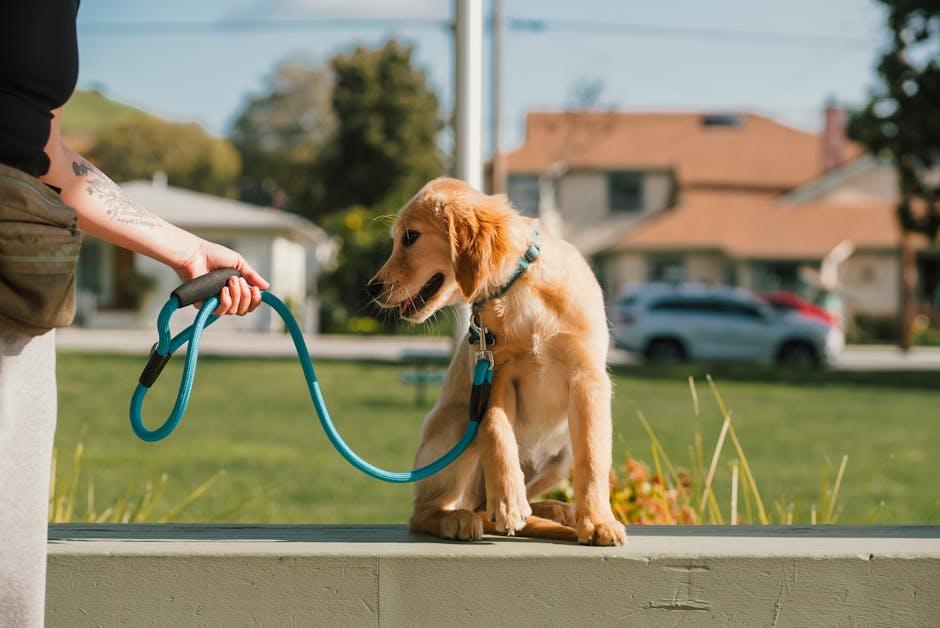
- Treat Pouch: Having a treat pouch at your waist keeps rewards handy and accessible, allowing you to reinforce good behavior immediately. Choose a pouch that’s easy to clean and has a secure closure to prevent accidental spills during training sessions.
- Interactive Toys: Engaging your puppy’s mind is just as important as physical exercise. Interactive toys, like puzzle feeders, stimulate their cognitive abilities, keeping them occupied and mentally sharp. These tools are perfect for when you’re busy, as they encourage independent play.
- Long Leash: A long leash gives your puppy the freedom to explore while still under your control. It’s especially useful for practicing recall in open spaces, building confidence and obedience in a safe manner.
Equipped with these tools, you’ll find that training your puppy becomes a more manageable and enjoyable task, even amidst a busy schedule. Remember, consistency and patience are key to effective training.