
Welcoming a new puppy into your home is an exciting and joyful experience, but it often comes with its own set of challenges—especially when it comes to those tiny, sharp teeth finding their way into everything from shoes to furniture. If you’ve found yourself wondering how to preserve your belongings while still nurturing a happy and healthy pup, you’re not alone. Chewing is a natural behavior for puppies, driven by curiosity and the need to relieve teething discomfort. In this article, we’ll explore practical and compassionate strategies to guide your furry friend away from destructive habits and towards more appropriate chewing choices. By understanding the reasons behind your puppy’s behavior and implementing effective solutions, you can create a harmonious environment where both your puppy and your possessions can coexist peacefully.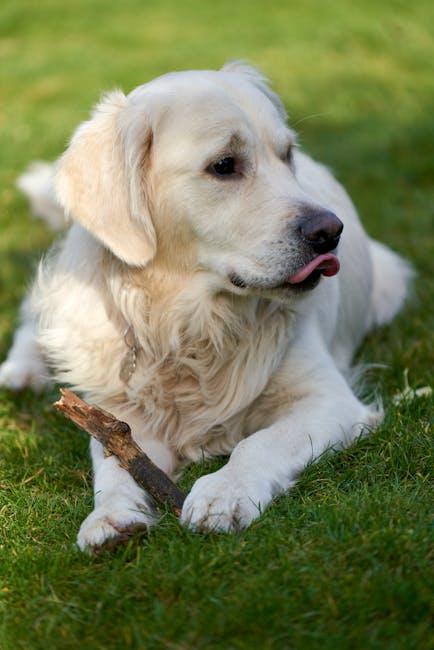
Understanding Why Puppies Chew and How It Affects Their Growth
Chewing is a natural behavior for puppies, driven by curiosity and the need to explore their environment. This activity is crucial for their development, as it aids in the teething process and helps them learn about the world around them. While it might seem like a nuisance, understanding the reasons behind this behavior can help in guiding them towards healthier chewing habits.
Puppies chew for several reasons:
- Teething Relief: As their baby teeth fall out and adult teeth come in, puppies experience discomfort that chewing can alleviate.
- Exploration: Just like human babies, puppies use their mouths to explore objects and textures, which helps them learn and understand their surroundings.
- Boredom or Anxiety: Chewing can be a coping mechanism for boredom or separation anxiety, offering them comfort and stimulation.
Encouraging appropriate chewing behaviors is essential for your puppy’s growth. Providing them with safe, durable chew toys not only satisfies their urge to chew but also strengthens their jaws and keeps their teeth clean. Remember, patience and consistency in training are key to nurturing your puppy’s development and ensuring a harmonious household.

Creating a Safe and Stimulating Environment to Redirect Chewing Habits
Creating a haven for your puppy that both nurtures their natural instincts and gently redirects their chewing habits is key to harmonious cohabitation. Begin by enriching their environment with a variety of chew-friendly toys that offer different textures and flavors. This not only keeps them entertained but also satisfies their innate need to chew. Consider toys made of rubber, rope, or soft fabric, and ensure they are safe and durable enough to withstand your puppy’s enthusiastic gnawing.
In addition to toys, introduce elements that engage your puppy’s other senses. Interactive toys, such as puzzle feeders, can stimulate their mind and keep them occupied for longer periods. Rotate these toys regularly to maintain their interest and prevent boredom, which often leads to destructive chewing. You can also provide them with natural chews like rawhide alternatives or dental sticks, which promote oral health while keeping their jaws busy.
- Ensure all toys and chews are appropriate for your puppy’s size and age.
- Supervise your puppy during playtime to prevent accidents.
- Keep valuable or dangerous items out of reach to avoid temptation.
Lastly, don’t underestimate the power of a cozy and comfortable space. A designated area with a soft bed and a few of their favorite toys can serve as a safe retreat, reducing anxiety and the urge to chew indiscriminately. By thoughtfully crafting an environment that respects your puppy’s needs, you pave the way for a happier, healthier pet and a chew-free home.
Effective Training Techniques to Teach Your Puppy What Is Off-Limits
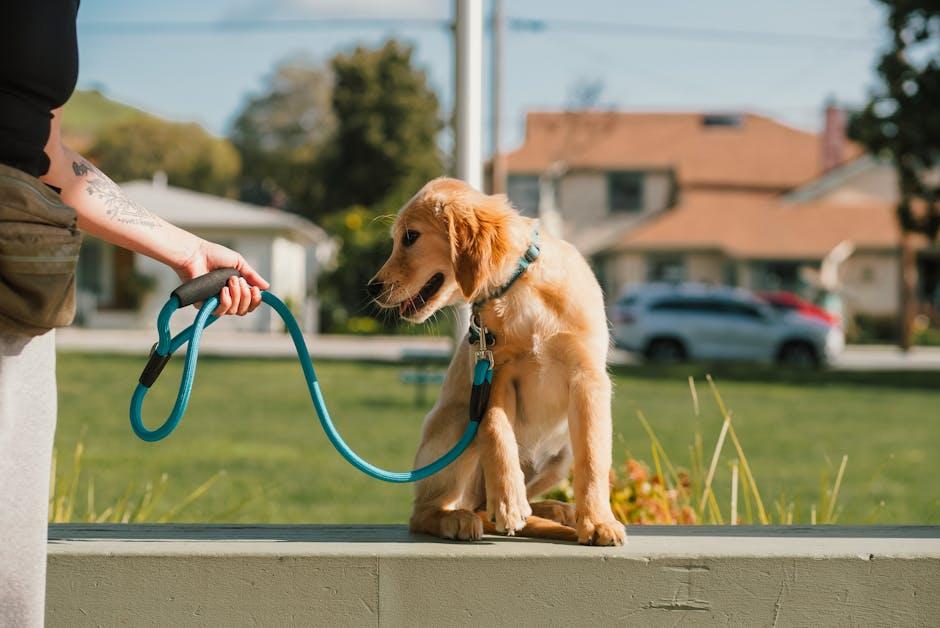
Training your puppy to understand boundaries is crucial for their safety and your peace of mind. Start by setting clear limits in your home. Designate specific areas where your puppy is allowed and ensure these spaces are puppy-proofed. Keep tempting items like shoes, remote controls, and children’s toys out of reach. When you catch your puppy in the act of chewing something they shouldn’t, redirect their attention to an appropriate chew toy.
Consistency is key. Use a firm yet gentle voice to say “no” or “off” when your puppy is near off-limit items. It’s essential to be patient and persistent; puppies learn through repetition. Reward good behavior with praise or a small treat when they choose their toys over household items. This positive reinforcement helps them associate their toys with rewards.
- Supervise your puppy closely during the training period.
- Rotate toys regularly to keep them interesting and engaging.
- Engage in interactive play to satisfy their need for stimulation.
consider using puppy gates to restrict access to rooms where supervision isn’t possible. This not only protects your belongings but also keeps your puppy safe from potential hazards. Remember, patience and understanding go a long way in helping your puppy learn what is off-limits.