

Welcoming a new puppy into your home is an exciting and joyful experience, filled with wagging tails and playful antics. However, as adorable as they are, puppies can also be quite a handful, especially when they start testing boundaries with disobedient behavior. Fear not, as this is a natural part of their development and an opportunity for you to guide them towards becoming well-mannered companions. In this article, we’ll explore the best puppy training practices to effectively handle disobedience, ensuring a harmonious relationship built on trust and mutual respect. With patience, consistency, and a dash of love, you can transform those mischievous moments into valuable teaching opportunities, setting the foundation for a lifelong bond with your furry friend.
Understanding Your Puppys Behavior Patterns
As you embark on the journey of training your puppy, it’s essential to delve into the nuances of their behavior. Understanding what drives your puppy’s actions can significantly impact your training approach. Puppies are naturally curious and energetic, and their behaviors are often expressions of their needs or responses to their environment. Recognizing these patterns can help you address disobedience more effectively. For instance, if your puppy is chewing on everything in sight, it might be a sign of teething or boredom. By identifying the root cause, you can provide suitable chew toys or engage them in stimulating activities to redirect their energy.
Here are a few key behavior patterns to watch for:
- Playfulness: Puppies often display high energy levels, which can sometimes come across as unruly behavior. Incorporate fun training games to channel this energy productively.
- Attention Seeking: Barking or jumping might be ways your puppy is trying to get your attention. Consistent responses, like ignoring them until they calm down, can teach them more appropriate ways to get your attention.
- Fearfulness: New environments or experiences can be overwhelming. Gradually introducing them to new stimuli and providing positive reinforcement can help build their confidence.
By observing these behaviors and understanding their meanings, you can tailor your training strategies to meet your puppy’s unique needs, creating a harmonious learning environment for both of you.
Positive Reinforcement Techniques for Lasting Obedience
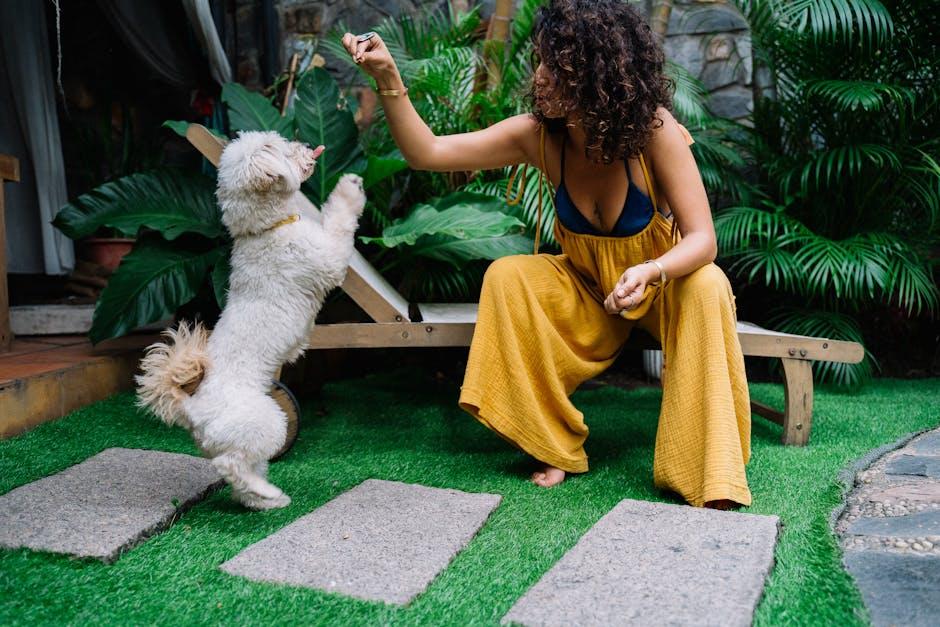
When training your puppy, using positive reinforcement can be an effective way to encourage lasting obedience. This technique focuses on rewarding desirable behavior, making your furry friend more likely to repeat it. Here are some methods you can use to incorporate positive reinforcement into your training routine:
- Reward with Treats: Offer your puppy a small, tasty treat immediately after they perform the desired action. This helps them associate the behavior with a positive outcome.
- Verbal Praise: Use enthusiastic words like “Good job!” or “Well done!” in a warm tone to let your puppy know they’ve done something right.
- Playtime: Use play as a reward. A quick game of fetch or tug-of-war can be a fun way to reinforce good behavior.
- Affection: A gentle pat or a loving scratch behind the ears can be just as rewarding as treats for some puppies.
By consistently applying these methods, you create a positive learning environment that encourages your puppy to learn and grow with confidence and enthusiasm.
Building a Consistent Training Routine for Your Puppy
Developing a consistent routine for your puppy’s training is essential in ensuring your furry friend grows up to be well-behaved and obedient. Here are some practices to help you establish a successful training regimen:
- Set Regular Training Times: Just like humans, puppies thrive on routine. Designate specific times each day for training sessions. This helps your puppy know what to expect and creates a sense of stability.
- Use Positive Reinforcement: Reward-based training is highly effective. Make sure to have treats or toys ready to reinforce good behavior, which encourages your puppy to repeat those actions.
- Keep Sessions Short and Engaging: Puppies have short attention spans, so aim for training sessions that last no more than 10-15 minutes. Incorporate play to keep your puppy engaged and interested.
- Be Patient and Consistent: Consistency is key in training. Use the same commands and rewards each time, and remember that patience is essential as your puppy learns new behaviors.