
Welcoming a new puppy into your home is an exciting and joyful experience, filled with wagging tails, playful barks, and endless cuddles. As you embark on this delightful journey, it’s important to remember that puppies require a special kind of care to ensure they grow into healthy, happy dogs. Whether you’re a first-time pet owner or a seasoned animal lover, understanding the essentials of puppy care can make all the difference in your furry friend’s development. In this guide, we’ll walk you through the fundamental tips and tricks to help you provide the best possible start for your new four-legged family member. From nutrition and health to training and socialization, we’ve got you covered with warm, practical advice to nurture a strong and loving bond with your pup this year. Let’s dive into the world of puppy care and set the stage for a lifetime of companionship and joy.
Creating a Safe and Cozy Home Environment for Your New Puppy
Welcoming a new puppy into your home is a heartwarming experience filled with wagging tails and endless cuddles. To ensure your furry friend feels secure and comfortable, it’s essential to create a nurturing environment. Start by designating a specific area in your home as the puppy’s personal space. This could be a cozy corner with a soft bed or a crate, which acts as a safe haven for them to retreat to when they need some quiet time.
Consider the following elements to make your home puppy-friendly:
- Safety First: Puppy-proof your home by removing any hazardous items within reach. This includes electrical cords, small objects, and toxic plants. Install baby gates to block off areas that are off-limits.
- Comfortable Bedding: Choose a bed that’s appropriate for your puppy’s size and breed. Ensure it’s soft, washable, and placed in a warm spot away from drafts.
- Accessible Essentials: Keep food and water bowls in an easily accessible location. Opt for non-slip bowls to prevent spills and maintain hygiene by washing them regularly.
Remember, patience and consistency are key in helping your puppy adapt to their new environment. With love and attention, your home will become a sanctuary for your newest family member.
Building a Balanced Diet and Nutrition Plan for Your Growing Pup
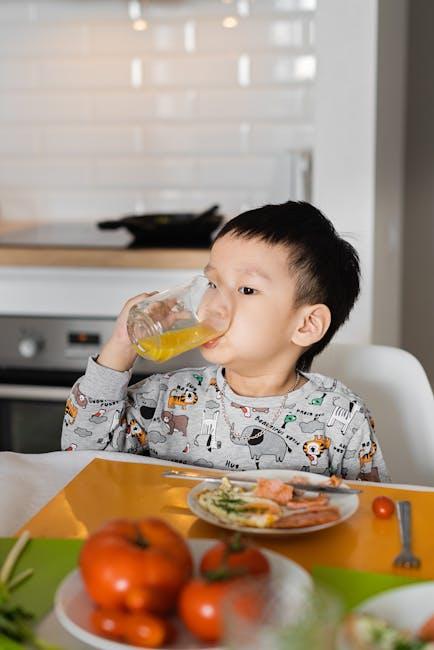
Creating a nutritious meal plan for your puppy is essential to support their growth and development. Just like human babies, puppies require a balanced diet filled with essential nutrients to build strong bones, muscles, and a robust immune system. Start by consulting with your veterinarian to determine the appropriate type of food and portion sizes based on your puppy’s breed, size, and activity level. Remember, every pup is unique, and their dietary needs may vary.
Key Components of a Balanced Puppy Diet:
- Protein: Vital for muscle growth and repair, look for high-quality sources such as chicken, beef, or fish.
- Fats: Essential for energy and healthy skin, include omega-3 and omega-6 fatty acids found in fish oil and flaxseed.
- Carbohydrates: Provide energy and fiber, choose whole grains like brown rice or oats.
- Vitamins and Minerals: Support overall health, ensure your pup’s food contains calcium, phosphorus, and essential vitamins.
- Water: Always keep fresh water available, as hydration is crucial for digestion and cellular functions.
Feeding Tips:
- Establish a regular feeding schedule to help with digestion and routine.
- Avoid overfeeding by following portion guidelines and monitoring your pup’s weight.
- Introduce new foods gradually to prevent digestive issues.
- Use feeding time as an opportunity to bond and train, reinforcing positive behaviors.

Establishing a Gentle Training Routine to Foster Good Behavior
Creating a nurturing environment for your puppy is essential for cultivating good behavior. Start by implementing a training routine that is both structured and gentle, allowing your puppy to learn at their own pace. Consistency is key; establish a daily schedule that includes specific times for feeding, walks, play, and training sessions. This predictability will help your puppy understand expectations and feel secure in their new home.
- Short Training Sessions: Puppies have short attention spans, so keep training sessions brief—around 5 to 10 minutes. This ensures that learning remains fun and engaging.
- Positive Reinforcement: Use treats, praise, and affection to reward your puppy for good behavior. Positive reinforcement encourages them to repeat desired actions and builds a trusting relationship.
- Patience and Understanding: Remember that learning takes time. Be patient with your puppy and avoid harsh discipline, which can lead to fear and anxiety.
Incorporating play into your training routine can also be highly effective. Games like fetch or tug-of-war not only provide physical exercise but also teach your puppy to follow commands. Balance is crucial—ensure that your puppy has ample time to rest and recharge. By fostering a loving and supportive environment, you lay the groundwork for a well-behaved and happy companion.