
Welcoming a new puppy into your home is a joyful experience, filled with playful moments and the beginnings of a cherished bond. As you embark on this delightful journey, ensuring the health and comfort of your furry friend becomes a top priority. Among the various challenges new puppy owners face, fleas and ticks can be particularly pesky, posing health risks to your little companion. But worry not! With a bit of guidance and the right preventative measures, you can protect your puppy from these unwelcome guests. In this article, we’ll explore the best ways to prevent fleas and ticks on puppies, offering practical advice and tips to keep your puppy safe, healthy, and happy. Let’s delve into the essential steps you can take to create a secure and nurturing environment for your newest family member.
Choosing the Right Preventative Products for Your Puppy
When it comes to safeguarding your puppy from fleas and ticks, selecting the appropriate preventative products is crucial. Puppies have delicate skin and developing immune systems, so it’s important to choose products specifically designed for their age and size. Here are some factors to consider when making your choice:
- Age and Weight Suitability: Ensure the product is suitable for your puppy’s age and weight. Many flea and tick preventatives are formulated for puppies over a certain age or weight, so always check the label.
- Type of Product: Decide whether a topical treatment, oral medication, or flea collar is best for your puppy. Each type has its own benefits, such as ease of application or longer-lasting protection.
- Ingredients: Look for products with natural or gentle ingredients that are less likely to irritate your puppy’s skin. Avoid products with harsh chemicals that could cause allergic reactions.
Consulting with your veterinarian is always a wise step. They can recommend the most effective and safe options tailored to your puppy’s specific needs. Additionally, keeping your puppy’s living environment clean and regularly checking for any signs of fleas or ticks can complement these preventative measures, ensuring a happy and healthy start for your furry friend.

Creating a Flea and Tick-Free Environment at Home
To cultivate a sanctuary for your beloved puppy, it’s essential to focus on maintaining a clean and protective living space. Start by vacuuming your home regularly, especially areas where your puppy likes to rest, such as carpets, rugs, and furniture. This helps to remove any existing fleas and ticks and their eggs. Don’t forget to empty the vacuum bag or canister immediately after use to prevent reinfestation.
- Wash bedding and toys frequently: Use hot water to wash your puppy’s bedding, blankets, and toys at least once a week. This ensures any hidden pests are eliminated.
- Keep the yard tidy: Trim grass and bushes regularly to reduce the chances of ticks and fleas finding a hiding spot. Consider using pet-safe insecticides or natural deterrents like diatomaceous earth in your garden.
- Create a barrier: Place a flea collar or apply a topical treatment as recommended by your vet to form a protective barrier against these pesky invaders.
Incorporate these practices into your routine to maintain a safe haven for your puppy, ensuring they can explore their home without the threat of fleas and ticks. Consistency and vigilance are key to keeping your furry friend happy and healthy.
Regular Health Checks and Grooming Tips for Your Furry Friend
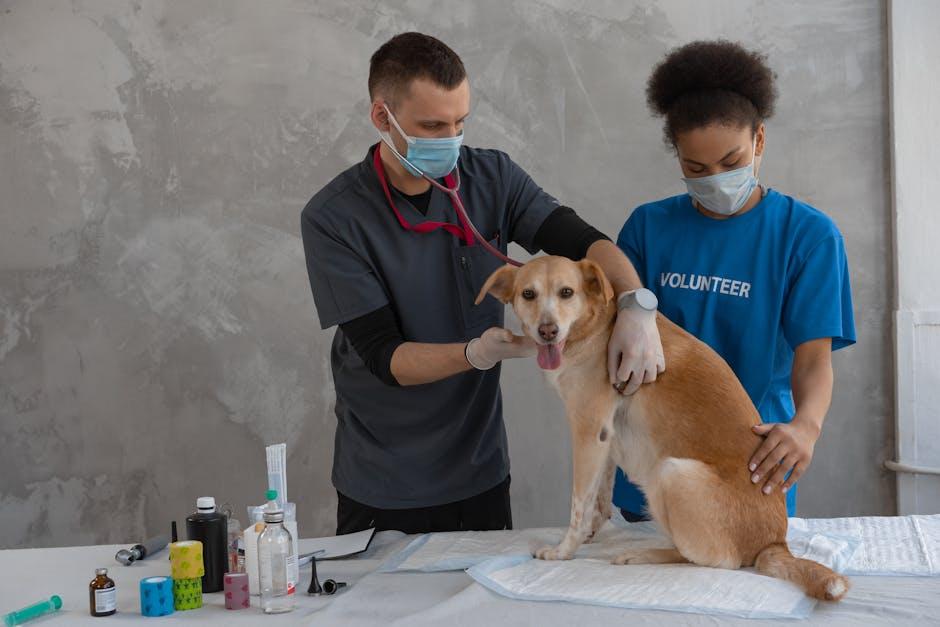
Keeping your puppy healthy and happy involves more than just feeding and playing; regular health checks and proper grooming are essential components of their care routine. These practices not only help in early detection of potential health issues but also ensure that your furry friend stays comfortable and free from unwanted pests like fleas and ticks.
Regular Health Checks:
- Monthly Vet Visits: Schedule monthly vet visits during your puppy’s first year. Your veterinarian will conduct thorough examinations to ensure your puppy is developing healthily and will provide preventative treatments against fleas and ticks.
- Check for Fleas and Ticks: At home, inspect your puppy’s skin regularly, especially after walks in grassy or wooded areas. Look for signs of fleas and ticks around the neck, behind the ears, and between the toes.
- Monitor Behavior: Keep an eye on any excessive scratching, biting, or licking, as these could be signs of flea or tick infestations.
Grooming Tips:
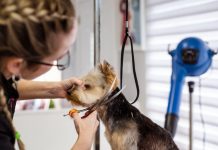
- Regular Brushing: Brush your puppy’s coat regularly to remove loose hair and debris. This also helps in spotting fleas and ticks early on.
- Bathing Routine: Use a gentle puppy shampoo, preferably one with flea-repelling properties. Be sure to rinse thoroughly to remove any potential irritants.
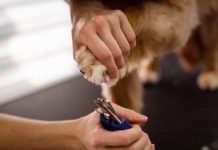
- Trim the Fur: Keep the fur around sensitive areas like the paws and ears trimmed to minimize hiding spots for fleas and ticks.
By incorporating these health checks and grooming tips into your routine, you can significantly reduce the risk of flea and tick infestations, ensuring your puppy remains healthy and content. Remember, a little prevention goes a long way in safeguarding your pet’s well-being.