
Welcoming a puppy into your home is an exciting journey filled with joy, companionship, and boundless energy. As a new pet parent, ensuring your furry friend stays healthy is a top priority, setting the foundation for a long, happy life together. This guide will walk you through the best ways to keep your puppy in tip-top shape, offering practical advice and gentle reminders that cater to both your puppy’s physical and emotional well-being. From proper nutrition to regular vet visits and engaging playtime, we’ll explore the essentials that contribute to a thriving, vibrant puppyhood. Let’s embark on this heartwarming journey to nurture and protect your newest family member, ensuring their tail wags with happiness and health.
Choosing the Right Nutrition for Your Growing Pup
Ensuring your puppy receives the right nutrition is crucial for their development and long-term health. With a myriad of options available, selecting the ideal diet can feel overwhelming. However, focusing on a few key elements can simplify this task. Puppies require a balanced diet rich in proteins, fats, and essential vitamins to support their rapid growth and high energy levels.
- High-Quality Protein: Choose food with real meat like chicken, lamb, or fish as the first ingredient. Protein is essential for building strong muscles and supporting growth.
- Healthy Fats: Look for sources of omega-3 and omega-6 fatty acids. These fats promote a shiny coat and healthy skin, while also supporting brain development.
- Vitamins and Minerals: Ensure the diet includes calcium and phosphorus for bone health, and vitamins like A, D, and E for immune support.
Don’t forget to consult with your veterinarian to tailor your puppy’s diet to their specific breed, size, and health needs. Regular check-ups and adjustments will ensure your furry friend thrives and enjoys a healthy, happy life.

Creating a Safe and Stimulating Environment at Home
Creating a home that nurtures your puppy’s health is a delightful task filled with love and creativity. Begin by ensuring your living space is puppy-proofed. Remove any hazardous items like electrical cords, small objects, or toxic plants that could harm your furry friend. Designate a specific area for your puppy’s bed, food, and toys, giving them a sense of security and routine.
To keep your puppy engaged, introduce a variety of stimulating activities. Rotate toys regularly to maintain their interest and curiosity. Incorporate interactive play sessions, such as fetch or tug-of-war, which help in developing their physical and mental skills. Provide safe chew toys to satisfy their natural chewing instincts and keep their teeth healthy.
- Safety First: Keep cleaning supplies and medications out of reach.
- Comfort Zone: Create a cozy nook with soft bedding.
- Exploration Opportunities: Set up a safe outdoor area for fresh air and exercise.
Remember, a balanced environment not only keeps your puppy healthy but also strengthens your bond. By taking these steps, you’re laying the foundation for a happy, thriving companion.
Understanding Vaccinations and Regular Vet Check-Ups
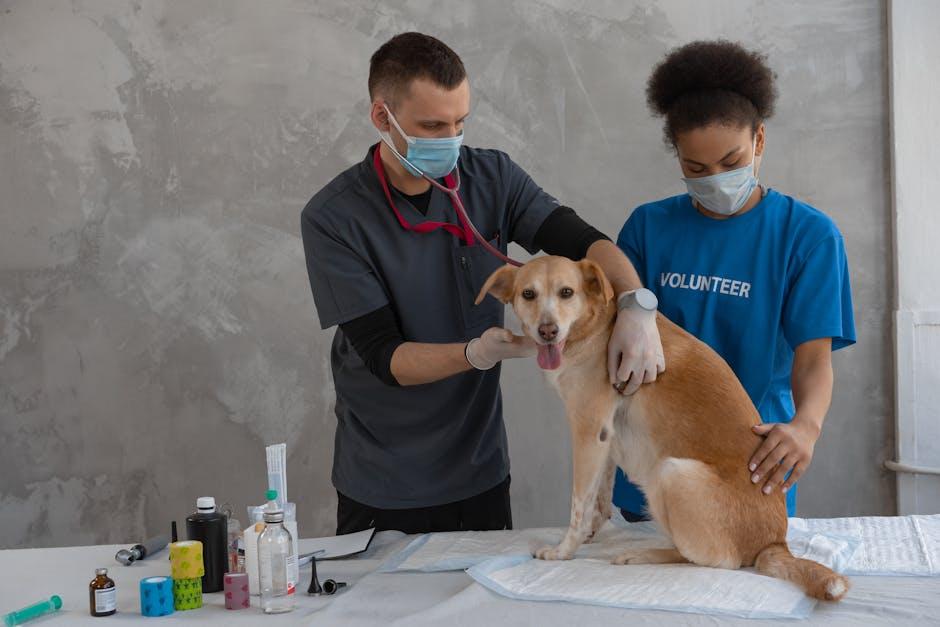
Ensuring your puppy receives all necessary vaccinations is a crucial step in safeguarding their health. Vaccinations protect your furry friend from various diseases, some of which can be life-threatening. It’s essential to follow the recommended vaccination schedule provided by your veterinarian, as this schedule is designed to provide immunity when your puppy is most vulnerable. Core vaccines, such as those for rabies, distemper, parvovirus, and adenovirus, are typically required, while non-core vaccines may be recommended based on your puppy’s lifestyle and environment.
In addition to vaccinations, regular vet check-ups play a vital role in maintaining your puppy’s health. These visits allow your vet to monitor your puppy’s growth and development, catch any potential health issues early, and provide guidance on nutrition, exercise, and general care. During these appointments, your vet can also perform necessary tests, administer booster shots, and discuss any concerns you might have about your puppy’s behavior or health.
- Keep a vaccination record: This helps you stay on track with booster shots and ensures your puppy is always protected.
- Schedule routine check-ups: Regular visits to the vet help in early detection of any health issues.
- Ask questions: Don’t hesitate to ask your vet about any concerns or uncertainties you have regarding your puppy’s health.