

Welcoming a puppy into your home is an exciting and heartwarming experience, filled with wagging tails, playful antics, and unconditional love. As a responsible pet owner, ensuring the health and happiness of your new furry friend is paramount. One of the key aspects of maintaining your puppy’s well-being is protecting them from parasites—those pesky invaders that can compromise their health and vitality. In this guide, we will explore essential information about puppy parasite prevention, equipping you with the knowledge to safeguard your pup from common threats like fleas, ticks, and worms. With a little preparation and care, you can help your puppy grow into a strong, healthy companion, ready to share countless joyful moments by your side.
Understanding Common Puppy Parasites and Their Impact
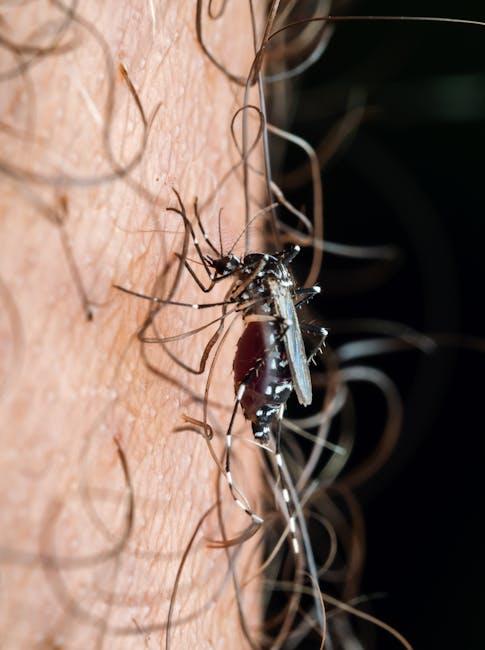
Welcoming a puppy into your home brings joy and excitement, but it also comes with responsibilities, including safeguarding them against common parasites. These tiny invaders, such as fleas, ticks, and worms, can wreak havoc on your puppy’s health if not addressed promptly. Fleas, for instance, are not just an itchy nuisance; they can lead to skin infections and even anemia in severe cases. Ticks are notorious for transmitting Lyme disease and other serious illnesses. Meanwhile, intestinal worms like roundworms and hookworms can cause malnutrition and stunted growth in young pups.
Understanding the signs of parasitic infections is crucial for early intervention. Look out for symptoms such as:
- Excessive scratching or licking
- Visible fleas or flea dirt
- Vomiting or diarrhea
- Pot-bellied appearance
- Lethargy or decreased appetite
Preventive measures are key to keeping these pests at bay. Regular vet check-ups and maintaining a clean living environment are foundational steps. Consider using veterinarian-recommended preventive treatments such as topical solutions or oral medications tailored to your puppy’s needs. Ensuring your puppy is on a proper deworming schedule is also essential to combat internal parasites effectively. By staying vigilant and proactive, you can help your furry friend lead a healthy, happy life free from the discomfort and dangers posed by parasites.
Effective Strategies for Preventing Parasite Infestations in Puppies
Keeping your puppy safe from parasites is crucial for their health and well-being. Here are some effective strategies to ensure your furry friend stays parasite-free:
- Regular Veterinary Check-ups: Schedule frequent visits to your veterinarian to monitor your puppy’s health. Early detection of parasites can make treatment easier and more effective.
- Administer Preventative Medications: Use veterinarian-recommended parasite preventatives. These can protect against a range of parasites, including fleas, ticks, and worms.
- Maintain a Clean Environment: Keep your puppy’s living area clean and free of waste. Regularly wash their bedding and toys to reduce the risk of infestation.
- Practice Good Hygiene: Wash your hands after handling your puppy, especially before meals or after cleaning up waste. This helps prevent the transmission of parasites to humans.
- Monitor Outdoor Activities: Be cautious of your puppy’s outdoor adventures. Avoid areas with high parasite risks, such as tall grasses and stagnant water.
By implementing these strategies, you can significantly reduce the risk of parasite infestations in your puppy, ensuring they grow up healthy and happy.

Recommended Veterinary Treatments and Natural Remedies for Puppy Parasite Control
Ensuring your puppy stays healthy and free from parasites involves a combination of veterinary treatments and natural remedies. Veterinary treatments are essential as they offer scientifically proven methods to tackle common parasites such as fleas, ticks, and worms. Your vet might recommend:
- Topical treatments that are applied directly to your puppy’s skin to ward off fleas and ticks.
- Oral medications that work internally to eliminate intestinal worms and other parasites.
- Regular check-ups to monitor your puppy’s health and catch any parasitic infections early.
Alongside these treatments, incorporating natural remedies can provide an additional layer of protection and promote overall wellness. Consider the following options:
- Diatomaceous earth: A natural powder that can be sprinkled on your puppy’s bedding to deter fleas.
- Herbal supplements: Ingredients like garlic and brewer’s yeast can be added to your puppy’s diet in moderation to help repel parasites.
- Essential oils: Certain oils like lavender and cedarwood can be diluted and used as a spray to keep pests at bay.
It’s important to consult with your veterinarian before trying new remedies to ensure they are safe for your puppy’s specific needs. Combining professional advice with natural approaches can create a holistic strategy for keeping your furry friend parasite-free.