
Welcoming a new puppy into your home is a heartwarming and transformative experience, filled with joy, laughter, and boundless energy. However, it also comes with its fair share of challenges and responsibilities. As a new puppy owner, it’s essential to equip yourself with the right training techniques to ensure your furry friend grows into a well-behaved and happy companion. In this article, we will explore a variety of effective puppy training techniques that every new owner should know. From establishing a strong foundation of trust and communication to mastering basic commands, these strategies will not only help in nurturing your puppy’s development but also strengthen the bond between you and your new best friend. Whether you are a first-time pet parent or looking to refresh your skills, these insights will guide you in creating a harmonious and loving environment for your pup to thrive.
Creating a Safe and Stimulating Environment for Your Puppy
Ensuring your puppy’s new home is both safe and stimulating is essential for their development and well-being. Start by puppy-proofing your space, much like you would for a toddler. This involves removing potential hazards and securing areas where they could get into trouble. Toxic plants, electrical cords, and small objects that could be swallowed should be out of reach. Consider using baby gates to limit their access to certain areas of your home.
Once the environment is safe, focus on making it enriching. Puppies are naturally curious and thrive in settings where they can explore and learn. Create a variety of play zones with toys that cater to different senses and skills. Here are a few suggestions:
- Chew toys to soothe teething discomfort.
- Puzzle feeders to challenge their problem-solving abilities.
- Interactive toys that encourage physical activity and mental stimulation.
Remember, a stimulating environment not only helps in developing their cognitive abilities but also reduces the likelihood of destructive behavior. Rotate toys regularly to keep their interest piqued and introduce new experiences whenever possible. This approach will lay a strong foundation for a happy, healthy, and well-adjusted puppy.
Mastering Basic Commands with Positive Reinforcement
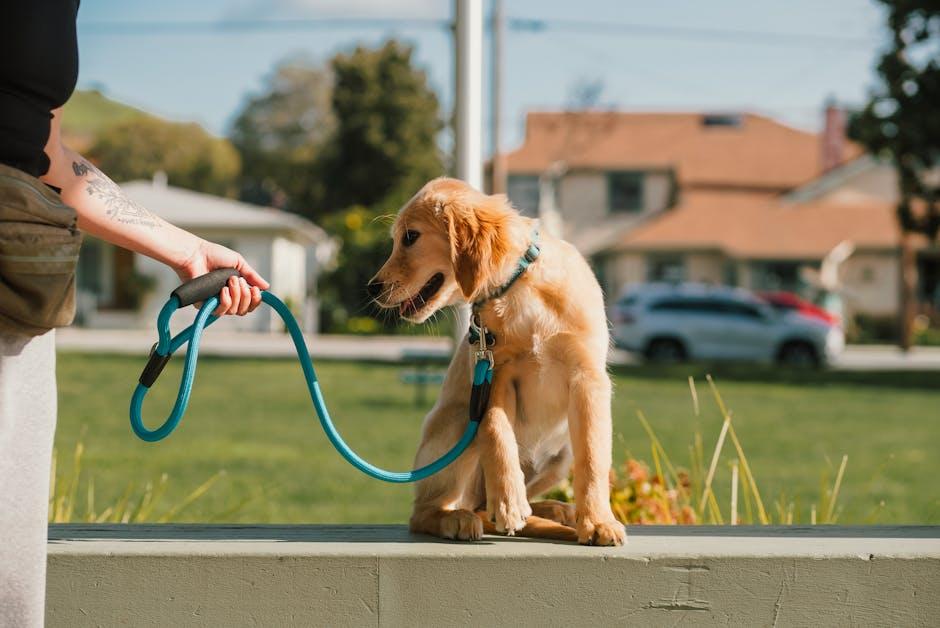
Teaching your puppy basic commands is a foundational step in their training journey, and using positive reinforcement can make this process both effective and enjoyable. Positive reinforcement involves rewarding your puppy for good behavior, which encourages them to repeat these actions. This method not only helps in training but also strengthens the bond between you and your furry friend.
- Consistency is Key: Use the same words and gestures each time you issue a command. This helps your puppy understand what is expected and builds a clear communication channel between you two.
- Timing Matters: Reward your puppy immediately after they perform the desired behavior. This reinforces the connection between the action and the reward, making it easier for them to learn.
- Variety of Rewards: While treats are a popular choice, consider mixing in verbal praise, petting, or playtime as rewards. This keeps your puppy engaged and motivated.
Remember, patience and positivity are your best tools in this process. Training sessions should be short and fun to maintain your puppy’s attention and enthusiasm. By creating a positive learning environment, you help your puppy develop the skills they need to thrive and become a well-behaved member of your family.

Building a Consistent Routine for Effective Training
Creating a reliable routine is one of the most impactful strategies in training your new furry friend. Puppies thrive on consistency, and establishing a regular schedule helps them understand what is expected of them. Start by setting specific times for meals, walks, playtime, and training sessions. This not only aids in their understanding but also helps regulate their physical needs such as bathroom breaks.
Incorporate key elements into your routine:
- Regular Feeding Times: Stick to the same time every day for meals. This helps in establishing a bathroom schedule.
- Consistent Commands: Use the same words and hand signals for commands to avoid confusion. Consistency in language is key.
- Scheduled Play and Rest: Balance active times with periods of rest. Puppies need plenty of sleep for growth and development.
- Dedicated Training Sessions: Short, frequent training sessions are more effective than long, sporadic ones. Aim for 5-10 minute sessions multiple times a day.
By embedding these practices into your daily routine, you create a nurturing environment where your puppy can learn and grow confidently. Remember, patience and repetition are your best tools in building a foundation of trust and understanding with your new companion.