

Welcoming a new puppy into your home is an exciting journey filled with joy, wagging tails, and endless cuddles. As you embark on this delightful adventure, it’s essential to ensure that your furry friend receives the best start in life. This guide, “Puppy Health Essentials for This Year’s Pet Owners,” is crafted to walk you through the fundamental aspects of puppy care, ensuring that your new companion grows up healthy and happy. From nutrition to vaccinations, exercise to grooming, we’ll cover all the crucial elements that contribute to your puppy’s well-being. With a warm heart and a nurturing hand, let’s dive into the world of puppy care and set the foundation for a lifetime of love and companionship.
Understanding Your Puppys Nutritional Needs
When it comes to ensuring the well-being of your new furry friend, understanding what goes into their bowl is paramount. A puppy’s dietary requirements are significantly different from those of an adult dog, as they need a balanced mix of nutrients to support their rapid growth and boundless energy. High-quality protein is crucial, as it aids in developing strong muscles. Additionally, calcium and phosphorus play vital roles in building healthy bones and teeth.
Here are some key components to look for in a puppy’s diet:
- Fats: Provide essential energy and support brain development.
- Omega-3 fatty acids: Promote a shiny coat and healthy skin.
- Vitamins and minerals: Necessary for a robust immune system.
While commercial puppy food is formulated to meet these needs, it’s essential to ensure the food is appropriate for your puppy’s size and breed. Consult with your veterinarian to tailor a diet plan that best suits your pet’s unique needs. Remember, investing in proper nutrition now can pave the way for a lifetime of health and happiness for your beloved companion.

Creating a Safe and Stimulating Environment for Your Puppy
When welcoming a new puppy into your home, it’s essential to craft an environment that is both safe and stimulating to nurture their growth and happiness. Start by puppy-proofing your space to prevent any accidents. This means securing loose wires, storing away small objects that could be swallowed, and ensuring that any toxic plants or substances are out of reach. Consider investing in baby gates to limit their access to potentially dangerous areas.
To keep your puppy’s mind and body active, introduce a variety of interactive toys and puzzles. This not only keeps them entertained but also helps in developing their cognitive abilities. Rotate the toys regularly to maintain their interest. Additionally, designate a specific area where they can play freely, which helps in establishing boundaries and making them feel secure.
- Ensure your puppy has a cozy and quiet space to retreat to for rest.
- Incorporate daily routines that include playtime, training sessions, and socialization with other dogs.
- Provide opportunities for exploration, such as safe outdoor adventures or indoor obstacle courses.
Creating a safe and stimulating environment is a continuous process that evolves as your puppy grows. By staying attentive to their changing needs, you’ll foster a happy and healthy companion.
Establishing a Consistent Veterinary Care Routine
Creating a routine for your puppy’s veterinary care is crucial in ensuring their long-term health and happiness. Regular check-ups are the foundation of this routine, as they help detect potential health issues early on and keep your furry friend up to date with vaccinations. Most veterinarians recommend scheduling these visits every 6 to 12 months, but for puppies, more frequent visits might be necessary to complete their initial vaccine series and monitor their development.
Besides regular check-ups, it’s important to pay attention to your puppy’s nutritional needs and discuss them with your vet. Puppies grow rapidly, and their diet plays a significant role in supporting their development. Your veterinarian can recommend high-quality puppy food and advise on portion sizes to ensure your puppy is getting the right nutrients without overfeeding.
- Vaccinations: Protect against common diseases.
- Parasite Prevention: Regular treatments for fleas, ticks, and worms.
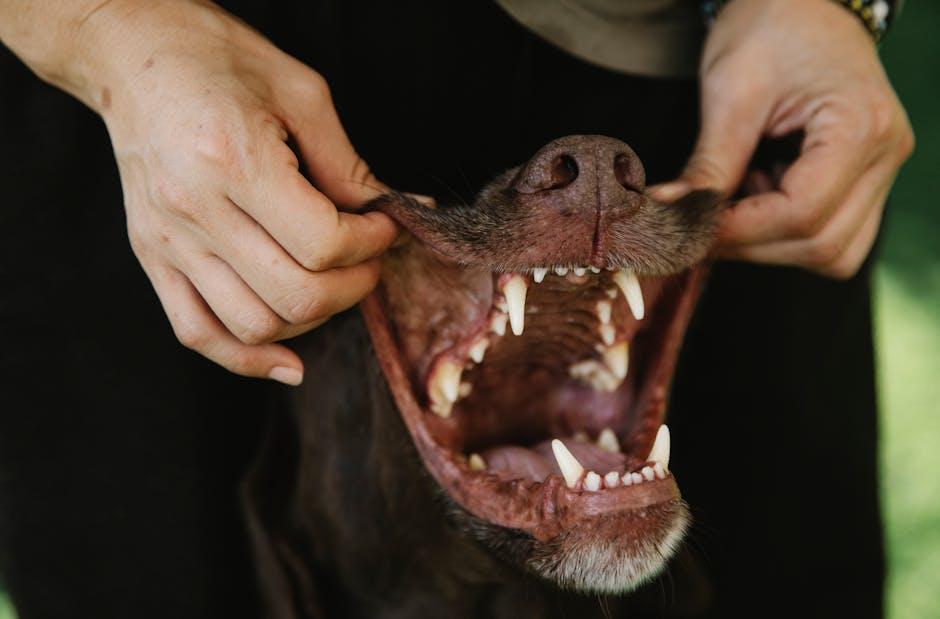
- Dental Care: Establish a routine for brushing your puppy’s teeth.
- Spaying/Neutering: Discuss the right time for this procedure with your vet.
By establishing a consistent routine with your veterinarian, you’ll not only safeguard your puppy’s health but also nurture a trusting relationship between your pet and their healthcare provider. Remember, a well-cared-for puppy is a happy puppy!