

Welcoming a new puppy into your home is a joyous occasion, filled with wagging tails, playful antics, and boundless affection. However, amidst the excitement, it’s important to establish a nurturing environment that fosters both safety and tranquility. Crate training emerges as an invaluable tool in achieving this balance, offering your puppy a secure space to rest and recharge while providing you with peace of mind. In this article, we will guide you through the essentials of crate training, sharing practical tips and compassionate advice to ensure that this journey strengthens the bond with your furry friend and paves the way for a calm and harmonious home life. Whether you’re a first-time pet owner or a seasoned dog lover, our step-by-step approach will help you create a positive and comforting experience for your puppy, laying the foundation for years of happiness together.
Choosing the Right Crate for Your Puppy’s Comfort
Finding the ideal crate is an essential step in ensuring your puppy feels secure and at ease. Consider the following factors when making your choice:
- Size: The crate should be large enough for your puppy to stand, turn around, and lie down comfortably. However, avoid going too big, as this may encourage your puppy to use one end as a bathroom.
- Material: Choose from wire, plastic, or fabric crates. Wire crates offer excellent ventilation and visibility, while plastic crates provide a more enclosed, den-like atmosphere. Fabric crates are lightweight and portable but may not be suitable for puppies prone to chewing.
- Portability: If you plan on traveling with your puppy, opt for a crate that is easy to transport and assemble.
Adding a soft bed or blanket can enhance your puppy’s comfort, creating a cozy haven they will love to retreat to. Consider incorporating a crate cover to mimic the feeling of a den, providing additional privacy and warmth. With the right crate, your puppy will have a safe and inviting space that contributes to a harmonious home life.
Step-by-Step Guide to Introducing Your Puppy to the Crate
Introducing your puppy to a crate can be a rewarding experience for both you and your furry friend. Begin by choosing a crate that is the right size for your puppy; it should be large enough for them to stand, turn around, and lie down comfortably. Place the crate in a room where your family spends a lot of time, so your puppy doesn’t feel isolated. Familiarize your puppy with the crate by leaving the door open and allowing them to explore it at their own pace. You can encourage this exploration by placing soft bedding and a few favorite toys inside.
Once your puppy is comfortable entering and exiting the crate, start feeding them their meals inside. This creates a positive association with the space. Gradually increase the time they spend inside with the door closed, starting with just a few minutes and slowly working up to longer periods. Be patient and offer plenty of praise and treats for calm behavior. Remember, consistency is key, so try to maintain a routine that helps your puppy understand that the crate is a safe and cozy spot.
- Tip 1: Never use the crate as a form of punishment.
- Tip 2: Use a cue word or phrase, like “crate time,” to signal your puppy to enter the crate.
- Tip 3: Make sure your puppy has had plenty of exercise and bathroom breaks before crate time.
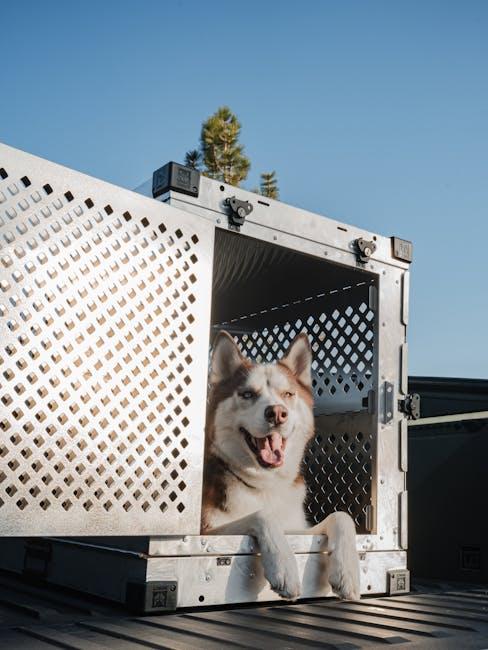
Creating a Consistent Routine for Successful Crate Training
Developing a routine is key to crate training success, as it helps your puppy understand when it’s time to rest, play, and eat. Begin by establishing a consistent schedule for meals, potty breaks, and crate time. Puppies thrive on predictability, so maintaining regularity in these activities will make them feel secure and help them adapt more quickly to their new environment.
Consider incorporating the following elements into your daily routine:
- Meal Times: Feed your puppy at the same times each day. After eating, take them outside for a potty break to reinforce good habits.
- Play Sessions: Schedule interactive playtime sessions to burn off energy and build a bond with your puppy. This can help them settle more easily in the crate afterward.
- Rest Periods: Designate quiet times for crate rest. Gradually increase the duration as your puppy becomes more comfortable with being crated.
It’s important to be patient and flexible, especially in the early stages of crate training. While consistency is crucial, every puppy is unique and may require adjustments to the routine. Listen to your puppy’s cues and be ready to adapt as needed to ensure a smooth and successful training process.