

Welcoming a new puppy into your home is an exciting adventure filled with joy, curiosity, and the occasional mischievous moment. As you embark on this journey, one of the most rewarding tasks is training your furry friend to become a well-mannered companion. Positive reinforcement is a powerful and compassionate approach that not only teaches your puppy desired behaviors but also strengthens the bond between you. In this article, we’ll guide you through the essentials of using positive reinforcement techniques, ensuring that your training sessions are both effective and enjoyable for you and your pup. Whether you’re tackling basic commands or addressing specific behavioral issues, these methods will help create a harmonious environment where your puppy can thrive.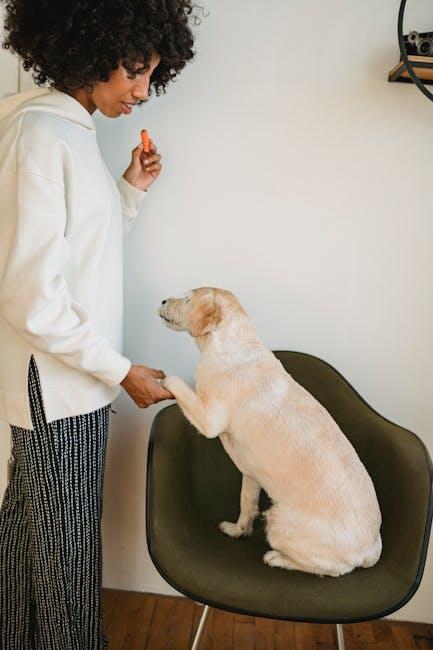
Understanding the Basics of Positive Reinforcement for Puppies
Training a puppy can be both a delightful and challenging experience. One of the most effective and humane methods is to use positive reinforcement, a technique that rewards good behavior to encourage its repetition. This method not only builds trust between you and your furry friend but also fosters a loving environment for learning.
When implementing positive reinforcement, consistency is key. Begin by identifying what motivates your puppy. This could be a variety of rewards such as:
- Treats: Small, soft, and tasty treats are often the most effective incentives.
- Verbal Praise: A cheerful voice and words of affirmation like “good boy” or “good girl” can be incredibly encouraging.
- Playtime: Offering a few minutes of play with a favorite toy can serve as a wonderful reward.
- Petting: Gentle strokes and pats can reassure and comfort your puppy.
Timing is also crucial in reinforcing good behavior. Make sure to offer the reward immediately after the desired action to help your puppy make the connection. Over time, these positive interactions will encourage your puppy to repeat the good behaviors, making training sessions a joyful experience for both of you.
Creating a Reward System That Resonates with Your Puppy
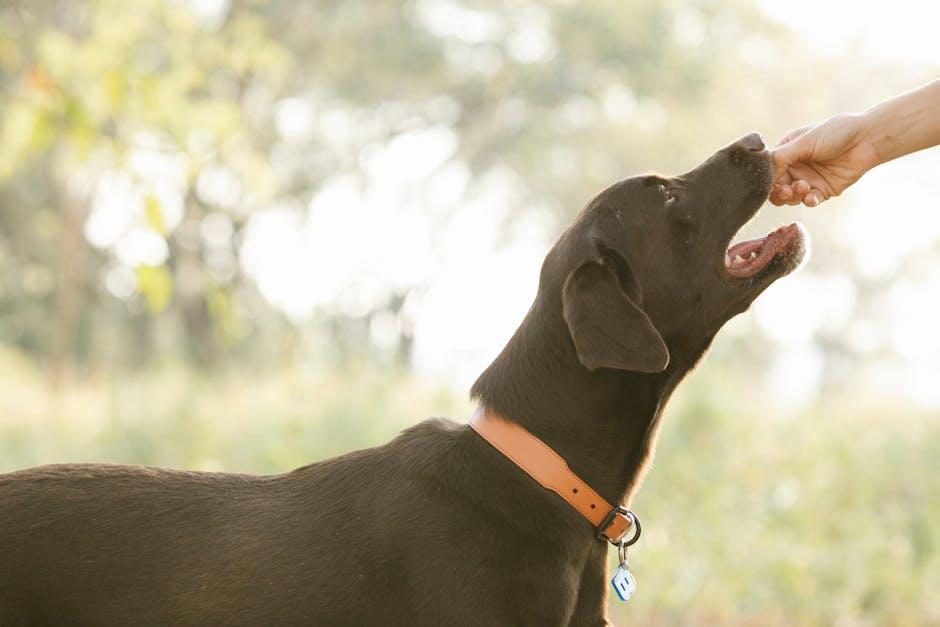
To establish a reward system that truly connects with your puppy, it’s essential to understand what motivates them. Each puppy is unique, so observe their reactions to different stimuli. Some may be driven by food, while others might respond more enthusiastically to play or affection. Experiment with various rewards to see which ones elicit the most positive responses.
- Edible Treats: Small, tasty treats are a popular choice. Opt for healthy options to keep your puppy fit.
- Playtime: A few minutes of play with their favorite toy can be a powerful incentive.
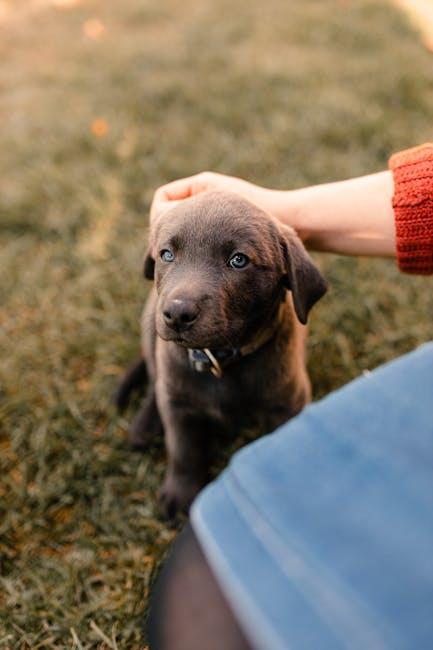
- Praise and Petting: Warm words and gentle strokes can make your puppy feel loved and appreciated.
Once you’ve identified what your puppy loves, consistency is key. Ensure rewards are given immediately after the desired behavior to reinforce the connection between action and reward. This not only strengthens the learning process but also builds a trusting relationship between you and your furry friend.
Practical Tips for Consistent and Effective Puppy Training
Creating a harmonious relationship with your puppy through positive reinforcement requires consistency and a little bit of strategy. Here are some effective tips to guide you on this journey:
- Set a Routine: Puppies thrive on routine, so establish a consistent schedule for feeding, potty breaks, and training sessions. This predictability helps your puppy understand expectations and reduces anxiety.
- Use Clear Cues: Use simple and consistent commands for each action you want your puppy to learn. Whether it’s “sit,” “stay,” or “come,” make sure everyone in the household uses the same words to avoid confusion.
- Reward Immediately: Timing is crucial in puppy training. Reward your puppy immediately after they perform the desired behavior to reinforce the connection between the action and the reward.
- Keep Sessions Short: Puppies have short attention spans, so keep training sessions brief and engaging. Aim for 5 to 10 minutes per session, multiple times a day, to keep your puppy interested and motivated.
Remember, patience and persistence are key. Puppies are like sponges, eager to learn and please, but they also require gentle guidance. Celebrate small victories with your puppy and maintain a positive attitude, as your energy greatly influences their learning experience.