

Welcoming a new puppy into your home is an exciting and joyful experience, filled with wagging tails and playful antics. However, alongside the cuddles and cuteness comes the important responsibility of teaching your furry friend good manners. Just like children, puppies thrive on guidance and structure, and with the right approach, you can help them grow into well-behaved and confident companions. In this article, we’ll explore effective strategies and gentle techniques to nurture your puppy’s development, creating a harmonious environment for both you and your new four-legged family member. Whether you’re a first-time pet parent or looking to refine your training skills, these tips will set the foundation for a lifetime of good behavior and mutual understanding.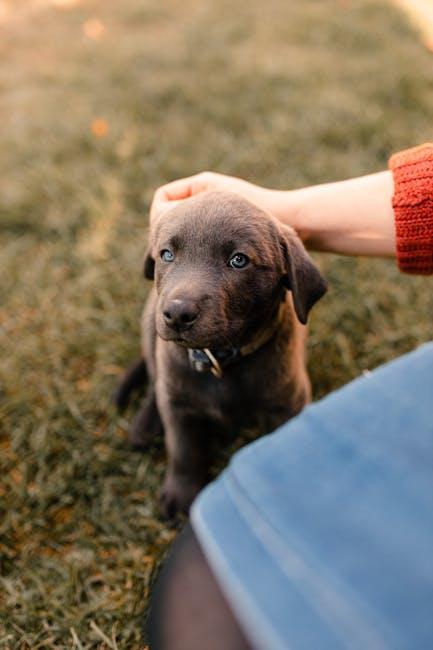
Teaching Your Puppy Basic Commands for a Strong Foundation
Establishing a strong foundation with your puppy involves teaching them basic commands that are essential for their safety and well-being. Positive reinforcement is key when it comes to training your puppy. Reward them with treats, praise, or playtime whenever they follow a command correctly. This encourages them to repeat the behavior and learn faster.
Start with simple commands like:
- Sit: Hold a treat close to your puppy’s nose, then move your hand up, allowing their head to follow the treat and their bottom to lower. Once they’re in a sitting position, say “Sit” and give them the treat.
- Stay: Once your puppy has mastered “Sit,” use the same position to teach “Stay.” Open your palm in front of them and say “Stay.” Take a few steps back, and if they stay, reward them with a treat. Gradually increase the distance over time.
- Come: This is a crucial command for your puppy’s safety. Call their name followed by “Come” in a happy tone while kneeling down. When they come to you, reward them generously.
Consistency is crucial. Practice these commands in short, frequent sessions to keep your puppy engaged and prevent them from getting overwhelmed. Incorporating these training moments into your daily routine can help reinforce good manners and strengthen your bond with your puppy.
Creating a Consistent Routine to Reinforce Positive Behavior
Developing a structured routine is crucial in teaching your puppy good manners. Consistency helps your furry friend understand what is expected of them, and it reinforces positive behavior over time. Start by establishing a daily schedule that includes feeding, playtime, training sessions, and rest. This not only helps your puppy adapt to household rules but also builds a sense of security and predictability.
- Feeding: Serve meals at the same time each day to instill discipline and reduce anxiety.
- Playtime: Allocate specific times for interactive play to channel your puppy’s energy positively.
- Training Sessions: Short, frequent training sessions are more effective than long, sporadic ones. Incorporate simple commands like “sit” and “stay” into daily activities.
- Rest: Ensure your puppy has a designated quiet space for naps and overnight sleep to prevent overtiredness.
Incorporating positive reinforcement techniques into your routine is essential. Use treats, praise, and affection to reward good behavior immediately. This helps your puppy associate their actions with positive outcomes, making them more likely to repeat those behaviors. Remember, patience is key; every puppy learns at their own pace. Keep the environment encouraging and maintain a warm, supportive approach to nurture your puppy’s growth and development.
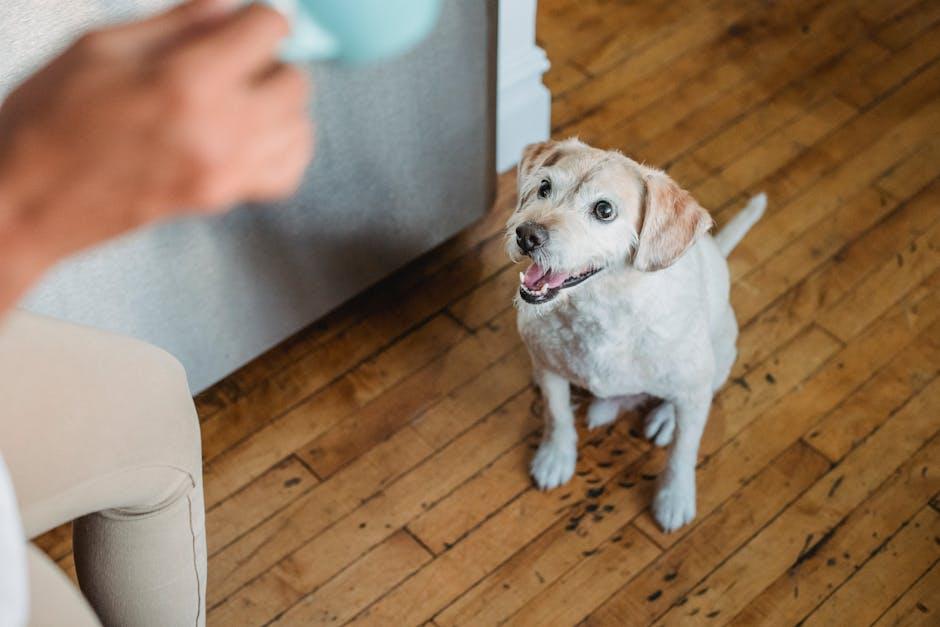
Encouraging Socialization with Gentle Guidance and Patience
Fostering socialization in your puppy is a journey that requires both gentle guidance and a reservoir of patience. As your furry friend begins to explore the world, it’s essential to introduce them to a variety of experiences in a positive and controlled manner. Start by gradually exposing your puppy to different environments, sounds, and people. This could include visits to the park, short car rides, or meeting friendly neighbors. The key is to ensure that each new experience is pleasant and stress-free for your pup, helping them build confidence in unfamiliar situations.
To further encourage socialization, consider enrolling your puppy in a well-supervised puppy class. These classes provide a structured environment where your puppy can interact with other dogs and humans, learning valuable social skills. Additionally, you can implement the following practices:
- Positive Reinforcement: Reward your puppy with treats and praise for calm and friendly interactions.
- Consistent Routine: Establish a routine for social outings to help your puppy feel secure and understand what to expect.
- Gentle Corrections: If your puppy displays undesirable behavior, redirect their attention gently rather than using harsh discipline.
Remember, every puppy is unique, and some may take longer to feel comfortable in social settings. Be patient and continue to provide a loving, supportive environment that encourages exploration and learning at their own pace. Over time, your puppy will develop the good manners needed to navigate the world with ease and joy.