

Welcoming a new puppy into your home is a joyous occasion filled with wagging tails and endless cuddles. As you embark on this delightful journey together, teaching your furry friend to walk nicely on a leash becomes an essential part of your shared adventures. This skill not only ensures safe and enjoyable outings but also strengthens the bond between you and your pup. In this guide, we’ll walk you through the steps to transform your playful companion into a well-mannered walking partner. With patience, consistency, and a sprinkle of positivity, you’ll soon be strolling confidently together, ready to explore the world one paw at a time.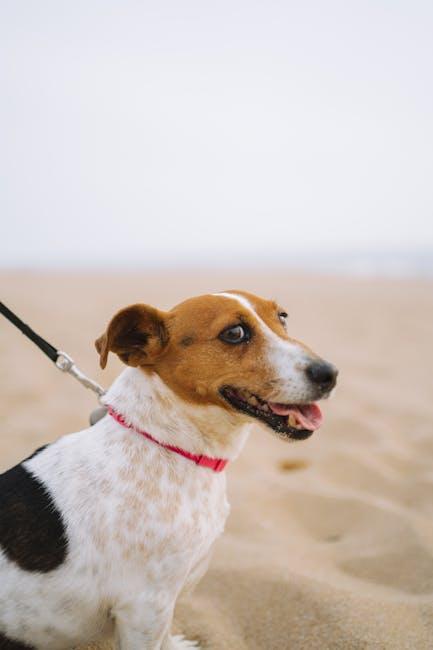
Choosing the Right Leash and Collar for Your Puppy
When it comes to selecting the perfect leash and collar for your puppy, there are a few key factors to consider to ensure comfort, safety, and effectiveness in training. First, choose a collar that fits snugly but allows for two fingers to slide underneath easily. This balance ensures your puppy won’t slip out but also isn’t restricted. Nylon collars are popular for their durability and lightweight feel, while leather options offer a classic look and soften over time. If your puppy tends to pull, consider a martingale collar that provides gentle correction without choking.
- Size and Fit: Always measure your puppy’s neck and refer to sizing charts to get the perfect fit.
- Material: Opt for materials that are gentle on the puppy’s skin and fur.
- Adjustability: Puppies grow quickly, so an adjustable collar is essential.
For the leash, a four to six-foot length is ideal for providing your puppy with freedom to explore while maintaining control. Consider a retractable leash for training in open areas, but be cautious in crowded spaces. The leash should have a sturdy clasp and be made of a material that feels comfortable in your hand. Whether you prefer a standard leash or a hands-free option, ensure it complements the collar for a cohesive and effective training experience.
- Durability: Look for leashes made of strong materials like nylon or leather.
- Comfort: Padded handles can make longer walks more enjoyable.
- Safety Features: Reflective stitching or bright colors can enhance visibility.

Mastering Basic Commands for a Stress-Free Walk
Before you and your puppy embark on those delightful strolls, it’s crucial to establish a foundation of essential commands that will make your walks enjoyable and stress-free. Begin by teaching your puppy the “sit” command. This basic command not only helps in calming your furry friend when excited but also provides a starting point for teaching other important commands. Use treats and a consistent tone to reinforce this behavior. Once mastered, progress to the “stay” command, which will be invaluable in preventing your puppy from darting off unexpectedly.
Incorporating a few other commands can significantly enhance your walking experience. Consider adding the following to your training routine:
- “Heel”: Encourage your puppy to walk beside you without pulling on the leash.
- “Leave it”: Perfect for when your pup is tempted by an interesting object or smell on your path.
- “Come”: Reinforce this command for situations when your puppy is off-leash or needs to return quickly.
Remember, patience and consistency are key. Reward your puppy with praise and treats to motivate and reinforce good behavior. With time, these commands will become second nature, making every walk a joyous experience for both you and your puppy.
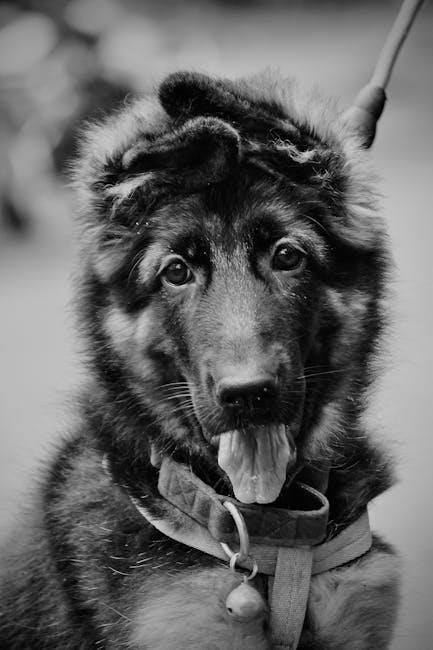
Creating a Positive and Rewarding Walking Routine
Establishing a delightful walking routine with your puppy is all about creating a positive and rewarding experience for both you and your furry friend. Start by selecting a comfortable leash and harness that fit your puppy well, ensuring they feel secure yet unrestricted. Consistency is key—try to walk your puppy at the same times each day, which helps them anticipate and get excited for their daily adventure. Incorporate a variety of walking environments to keep the experience stimulating and enriching.
- Reward Good Behavior: Use treats and praise to reinforce your puppy’s good behavior while walking. When they walk nicely beside you, offer a treat or a kind word.
- Short, Fun Sessions: Keep initial walks short and engaging. Puppies have limited attention spans, so brief, enjoyable outings are more effective.
- Interactive Play: Integrate play into your walks, like stopping for a game of fetch or allowing them to explore a new scent. This keeps the experience enjoyable and varied.
By transforming walks into a series of joyful and rewarding moments, you’ll cultivate a lifelong love of leash time in your puppy, making each outing a special opportunity to bond and explore together.