

Welcoming a new puppy into your home is an exciting adventure filled with joy, laughter, and a fair share of challenges. These playful bundles of energy quickly become cherished members of the family, and as such, guiding them through the early stages of life is both a responsibility and a privilege. Puppy training is not just about teaching basic commands; it’s about laying the foundation for a lifetime of good behavior and a strong bond between you and your furry friend. In this article, we will explore essential puppy training tips designed to set you and your puppy up for long-term success. With patience, consistency, and a sprinkle of love, you can nurture your puppy into a well-mannered companion who enriches your life for years to come.
Creating a Consistent Routine for Your New Pup
Establishing a consistent routine for your new puppy is crucial for their development and your peace of mind. Puppies thrive on predictability, so setting a regular schedule helps them feel secure and learn faster. Start by creating a daily plan that includes specific times for feeding, potty breaks, playtime, and sleep. Consistency in these activities not only aids in house training but also in teaching your pup what to expect throughout the day.
- Feeding: Offer meals at the same times each day to regulate their digestion.
- Potty Breaks: Take your pup out frequently, especially after eating, drinking, or waking up.
- Playtime: Engage in interactive games to burn off energy and encourage bonding.
- Sleep: Ensure your puppy has a quiet, comfortable space for naps and bedtime.
Remember, patience and consistency are key. Over time, your puppy will learn to anticipate the routine, making training smoother and fostering a strong, trusting relationship between you and your furry friend.
Understanding Canine Communication for Effective Training
To foster a harmonious relationship with your puppy, it’s crucial to delve into their unique ways of expressing themselves. Dogs communicate primarily through body language and vocalizations, and understanding these signals can significantly enhance your training efforts. Pay attention to your puppy’s tail wagging, ear positions, and eye contact. For instance, a relaxed, wagging tail often indicates happiness, while a tucked tail can signal fear or anxiety. Recognizing these cues will help you adjust your approach, ensuring that your puppy feels secure and understood.
- Body Language: Observe their posture and movements. A relaxed stance suggests comfort, whereas a stiff posture might indicate stress or alertness.
- Vocal Cues: Different barks can convey different messages. A high-pitched bark often means excitement, while a low growl can be a warning.
- Facial Expressions: Notice their eyes and ears. Soft eyes and perked ears usually mean they are attentive and engaged.
By becoming attuned to these nuances, you’ll not only improve your training sessions but also strengthen the bond with your furry friend. Remember, patience and empathy are key as you navigate the journey of puppy training together.
Positive Reinforcement Techniques That Build Lasting Habits
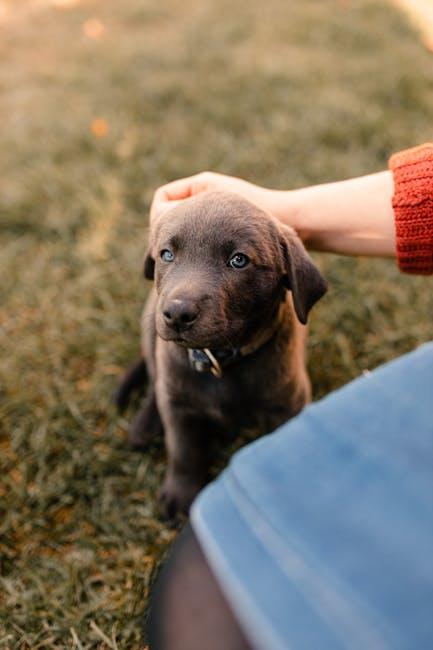
- Consistency is Key: One of the most effective ways to ensure your puppy learns and retains new behaviors is through consistent reinforcement. Make sure to reward your pup every time they perform the desired behavior. This can be a treat, a favorite toy, or even a simple belly rub. The more you reinforce the action, the more likely your puppy will understand and repeat it.
- Timing Matters: It’s crucial to offer rewards immediately after the desired behavior occurs. Puppies have short attention spans, and delayed reinforcement can confuse them. Keep treats handy and be ready to shower your furry friend with praise the moment they sit, stay, or come on command.
- Use Positive Language: Speak to your puppy in a friendly and encouraging tone. Avoid using harsh words or reprimands, as this can create anxiety and hinder learning. Instead, use positive language and gestures to guide them toward the right behavior.
- Patience and Persistence: Building lasting habits takes time, so patience is essential. Celebrate small victories and understand that setbacks are part of the learning process. With persistence and a loving approach, your puppy will gradually develop the habits you desire.