

Welcoming a new puppy into your life is an exciting journey filled with wagging tails and playful antics. However, as you step into the world of puppy parenthood, you might find yourself tangled up—quite literally—in one of the most common challenges: leash pulling. While it’s perfectly normal for your enthusiastic pup to tug and pull, it can turn a peaceful walk into a test of patience. Fear not! With a little guidance and plenty of positive reinforcement, you can transform these walks into enjoyable experiences for both you and your furry friend. In this article, we’ll explore effective strategies and tips to help you teach your puppy the art of polite leash walking, fostering a stronger bond and a more harmonious stroll every time you head out the door.
Understanding Your Puppys Behavior and Needs
Understanding the nuances of your puppy’s behavior is key to addressing leash pulling. Puppies are naturally curious and full of energy, often leading them to tug at the leash in their eagerness to explore the world. To foster a more enjoyable walking experience for both you and your furry friend, it’s essential to address this behavior with patience and consistency.
Here are a few strategies to help manage this common issue:
- Use Positive Reinforcement: Reward your puppy with treats or praise when they walk calmly by your side. This encourages them to repeat the behavior.
- Stop and Stand Still: If your puppy begins to pull, stop walking immediately. Wait until they return to your side before resuming your walk. This teaches them that pulling leads to a pause in the fun.
- Choose the Right Equipment: Consider using a harness that discourages pulling, which can offer more control and reduce strain on your puppy’s neck.
- Practice in Low-Distraction Areas: Start training in a quiet environment where your puppy can focus on you without too many distractions.
By understanding your puppy’s behavior and addressing their needs with these techniques, you’ll be well on your way to enjoyable, pull-free walks.
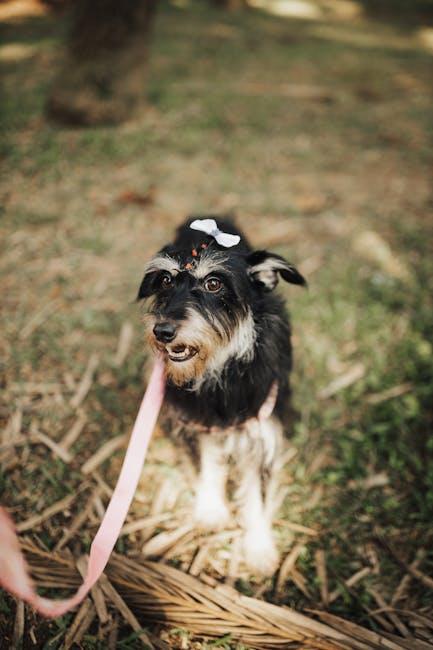
Choosing the Right Tools for Effective Leash Training
When embarking on the journey of leash training your puppy, selecting the appropriate tools can make a significant difference in the process. The right equipment not only enhances comfort for your furry friend but also ensures effective training sessions. Here are some essentials to consider:
- Collars and Harnesses: A well-fitted collar or harness is crucial. While traditional collars are common, a harness might be more suitable for puppies that tend to pull, as it distributes pressure more evenly and can prevent neck strain.
- Leashes: Opt for a sturdy, non-retractable leash that offers better control. A 4 to 6-foot leash is ideal for maintaining a balance between freedom and control during walks.
- Treat Pouch: Keep a treat pouch handy for quick and easy access to rewards. Positive reinforcement is key, and having treats readily available can help reinforce good behavior promptly.
- Clicker: Consider using a clicker to mark desired behaviors. This small tool can help communicate with your puppy effectively, making training sessions more productive.
Choosing these tools wisely will lay a strong foundation for successful leash training, creating a positive experience for both you and your puppy.
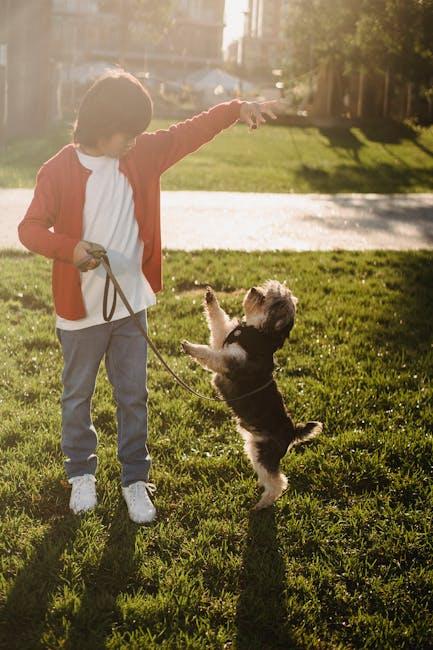
Step-by-Step Techniques to Encourage Calm Walking
To transform your puppy into a serene walking companion, start by ensuring you’re equipped with the right tools. Opt for a comfortable, well-fitted harness that allows your puppy to move freely without discomfort. Consider using a leash that offers a balance between control and freedom, such as a retractable or adjustable leash.
- Establish a Routine: Consistency is key. Try to walk your puppy at the same times each day to help them know what to expect.
- Use Positive Reinforcement: Carry treats or their favorite toy to reward calm behavior and focus. When your puppy walks beside you without pulling, offer a treat as a positive reinforcement.
- Stop and Start Technique: If your puppy starts pulling, stop walking immediately. Wait for them to return to your side or loosen the leash before proceeding.
- Practice Patience: Remember, learning takes time. Stay calm and patient, offering encouragement and praise for small successes.
Incorporate these techniques into your daily walks, and soon, you’ll notice your puppy enjoying the stroll without the urge to pull. The journey to calm walking is a rewarding experience for both you and your furry friend.