
Welcoming a new puppy into your home is a joyful experience, filled with laughter, love, and endless playtime. However, amidst the wagging tails and adorable antics, you might find yourself facing a common puppy challenge: playful biting. While those tiny teeth might seem harmless now, addressing this behavior early is crucial for fostering a happy and harmonious relationship with your furry friend. In this article, we’ll explore gentle and effective strategies to help you guide your puppy towards more appropriate play habits. With patience, consistency, and a touch of love, you can teach your pup to play nicely, ensuring that playtime remains a delightful and safe experience for both of you.
Understanding Why Puppies Bite and How It Affects Playtime
When it comes to puppies, biting is a natural behavior that stems from their instinctual need to explore the world through their mouths. During playtime, this can often translate into nips and bites, which might seem aggressive but are usually a sign of curiosity or overstimulation. Understanding the reasons behind this behavior is crucial to guiding your puppy towards more appropriate play.
- Teething: Just like human babies, puppies go through a teething phase where biting helps soothe their gums.
- Exploration: Puppies use their mouths to investigate their surroundings, often leading to playful nibbles.
- Socialization: In a litter, puppies bite each other to learn boundaries and social cues.
Recognizing these motivations allows you to address the behavior effectively. During playtime, it’s important to guide your puppy with patience and consistency. Redirect their energy with chew toys and reinforce positive behavior with treats and affection. Remember, a little understanding goes a long way in ensuring playtime remains fun and safe for both you and your furry friend.
Gentle Techniques to Redirect Your Puppys Biting Instincts
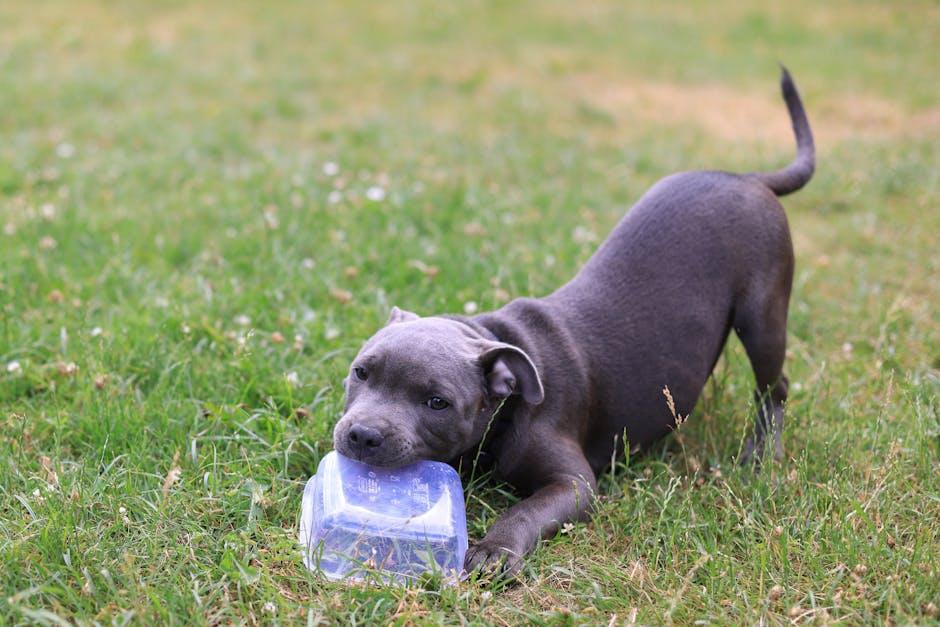
Every puppy owner knows the thrill of playtime, but those sharp little teeth can sometimes turn a fun session into a painful experience. Redirecting your puppy’s natural biting instincts is key to nurturing a gentle companion. Here are some gentle techniques to guide your puppy toward more appropriate behaviors:
- Use Toys as Distractions: Keep a variety of chew toys handy during play. When your puppy gets a bit too nippy, offer a toy instead. This not only diverts their attention but also teaches them what’s acceptable to bite.
- Teach Bite Inhibition: Puppies learn bite inhibition from their littermates, but you can reinforce this by yelping softly when bitten too hard. This mimics the response they would get from a sibling, encouraging them to ease up.
- Practice Patience and Consistency: Consistency is key. Ensure everyone in the household responds the same way to biting. Redirecting takes time, and patience will help your puppy learn faster.
Remember, your puppy is not biting to hurt you; they are exploring the world and learning their boundaries. By using these methods, you create a loving environment that encourages positive behavior and strengthens your bond.
Building a Positive Play Environment with Engaging Toys and Activities
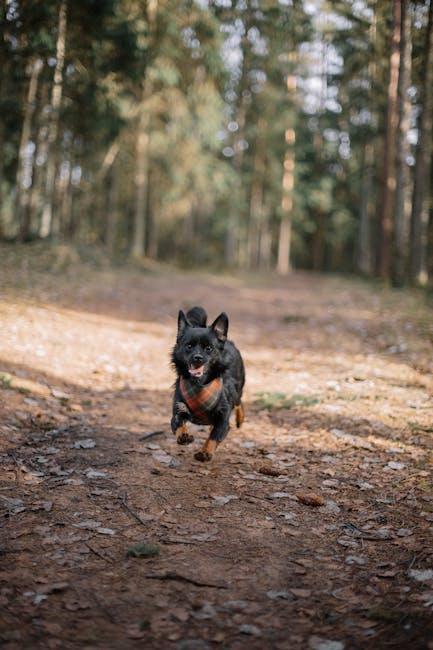
Creating a nurturing and stimulating play environment is key to guiding your puppy towards positive behaviors. To encourage appropriate play and minimize biting, select toys that not only captivate their interest but also promote healthy chewing habits. Interactive toys such as treat-dispensing puzzles and durable chew toys can keep your puppy engaged and mentally stimulated, offering an alternative to biting.
- Variety of Textures: Introduce toys with different textures to satisfy your puppy’s urge to chew and explore. Soft plush toys, rubber bones, and rope toys can provide diverse sensory experiences.
- Engage in Supervised Play: Participate in playtime with your puppy to reinforce positive interactions. Redirect their attention with toys if they start to bite, teaching them what is acceptable to chew on.
- Incorporate Training Games: Use games like fetch or tug-of-war to channel your puppy’s energy. Ensure to set rules, such as dropping the toy on command, to foster good behavior.
Remember, a consistent routine is essential. Puppies thrive on predictability, so establish a play schedule that incorporates a mix of solo play and interactive sessions. This balance helps them learn self-control and builds trust between you and your furry friend. By offering a rich play environment, you guide your puppy toward becoming a well-mannered companion.