
Welcoming a new puppy into your home is an exciting and joyful experience, filled with wagging tails and playful antics. As a responsible pet owner, ensuring your furry friend’s health and well-being is a top priority. Puppies, with their boundless energy and curiosity, require special care to prevent sickness and disease as they grow. This article aims to provide you with practical and effective health tips that will help you nurture a happy and healthy puppy. From understanding their nutritional needs to recognizing early signs of illness, we’ll guide you through the essential steps to protect your new companion and lay the foundation for a long, vibrant life together. Let’s embark on this journey to keep your puppy thriving and full of life!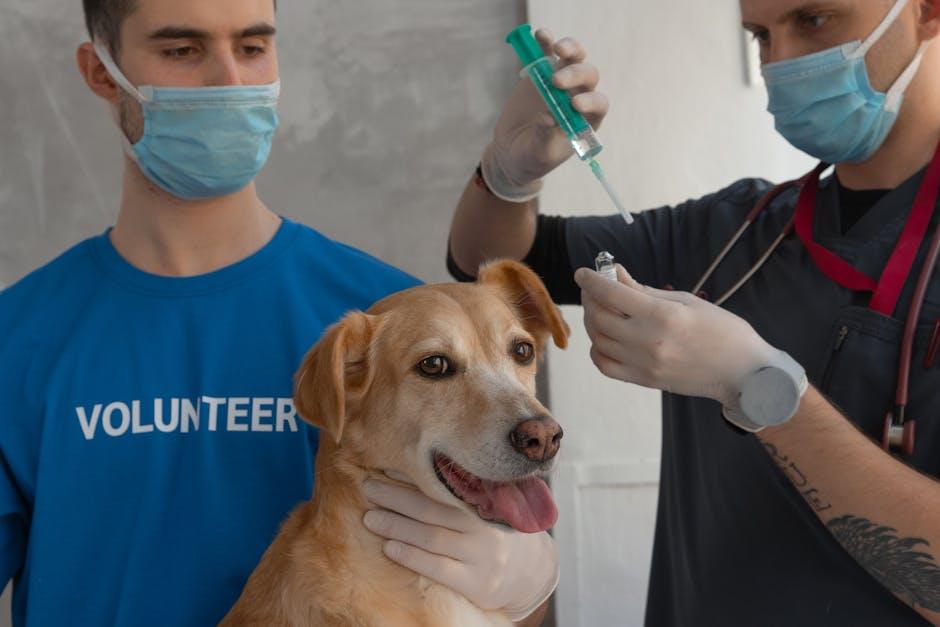
Nurturing a Strong Foundation Understanding Essential Puppy Vaccinations
Ensuring your puppy receives the right vaccinations at the right time is crucial for their long-term health and well-being. These vaccinations act as a protective shield, guarding against various contagious and potentially fatal diseases. Core vaccines, recommended for all puppies, typically include those for canine parvovirus, distemper, canine hepatitis, and rabies. Non-core vaccines may be advised based on your puppy’s lifestyle and exposure risks, covering illnesses like kennel cough, Lyme disease, and leptospirosis.
It’s essential to follow a veterinarian-recommended vaccination schedule to maximize your puppy’s immunity. Generally, the initial vaccines are administered at 6-8 weeks of age, with booster shots following every 3-4 weeks until they reach 16 weeks. Here’s a quick checklist to help you stay on track:
- 6-8 weeks: First round of core vaccines
- 10-12 weeks: Second round, including additional non-core vaccines if needed
- 14-16 weeks: Final booster shots for core vaccines
- Annual boosters: Follow-up with your vet for ongoing protection
By adhering to these guidelines, you are not only safeguarding your puppy’s health but also contributing to the broader community effort of disease prevention.

Boosting Immunity through Nutrition Choosing the Right Diet for Your Puppy
Ensuring your puppy has a strong immune system starts with the right nutrition. A balanced diet rich in essential nutrients can significantly bolster your puppy’s defenses against illness. Proteins are the building blocks for growth and repair, so choose high-quality sources like chicken, beef, or fish. Vitamins and minerals are crucial for immune function, with Vitamin E and Selenium playing pivotal roles. Including foods rich in these nutrients, such as sweet potatoes and fish oils, can make a big difference in your puppy’s health.
Consider incorporating the following into your puppy’s diet:
- Probiotics: Promote gut health and boost immunity.
- Antioxidants: Found in fruits and vegetables, they help fight free radicals.
- Omega-3 fatty acids: Support skin health and reduce inflammation.
- Whole grains: Provide energy and fiber, aiding in digestion.
By carefully selecting these nutrient-dense foods, you’ll lay a strong foundation for your puppy’s long-term health, helping to prevent sickness and disease.

Daily Habits for a Healthy Pup Establishing a Routine to Prevent Illness
Creating a daily routine for your puppy is essential in fostering a healthy lifestyle and minimizing the risk of illness. Start by establishing a consistent schedule that includes regular feeding times, potty breaks, and play sessions. Consistency is key, as it helps your puppy feel secure and reduces stress, which can weaken their immune system.
Incorporate these healthy habits into your pup’s daily routine:
- Balanced Diet: Provide high-quality puppy food rich in essential nutrients to support growth and development.
- Exercise: Engage in daily physical activities to keep your puppy fit and mentally stimulated.
- Hydration: Ensure your pup has access to fresh water throughout the day to maintain proper hydration levels.
- Grooming: Regular brushing and bathing help maintain a clean coat and prevent skin infections.
- Veterinary Check-ups: Schedule routine visits to the vet for vaccinations and health assessments.
By following these daily habits, you not only contribute to your puppy’s physical health but also build a strong foundation for a happy, long life.