
Welcoming a new puppy into your home is an exciting and joyful experience, filled with playful moments and the beginnings of a lifelong bond. As you embark on this journey, ensuring the health and well-being of your furry friend is paramount. One of the most important decisions you’ll make is choosing the right food to support your puppy’s growth and development. While it might be tempting to feed them the same food as your adult dog, puppies have unique nutritional needs that require special attention. In this article, we’ll explore why special puppy food is essential for your young companion, providing them with the right balance of nutrients to thrive during these crucial early stages of life. Whether you’re a first-time pet parent or an experienced dog owner, understanding the importance of puppy-specific nutrition will help set your little one on the path to a healthy and happy future.
Understanding the Nutritional Needs of Your Growing Puppy
When it comes to nurturing your furry friend during their formative months, it’s crucial to provide them with a diet specifically designed to meet their unique needs. Puppy food is formulated with the right balance of nutrients to support rapid growth, energy, and development. Unlike adult dogs, puppies require higher levels of protein, fats, and certain vitamins and minerals to fuel their bodies as they grow. A specialized diet helps in building strong muscles, developing a robust immune system, and ensuring healthy bone formation.
Choosing the right puppy food involves understanding what ingredients are beneficial for their development. Look for options that include:
- High-quality proteins such as chicken, lamb, or fish, which aid in muscle development.
- Essential fatty acids, particularly DHA, to support brain and vision development.
- Calcium and phosphorus for strong bones and teeth.
- Antioxidants to enhance their immune system.
- Balanced carbohydrates for energy.
By selecting a diet that aligns with these nutritional requirements, you are setting the foundation for a healthy and happy life for your puppy.
Choosing the Right Puppy Food for Optimal Health and Development
As your puppy embarks on its journey to adulthood, the food you choose plays a pivotal role in its growth, energy levels, and overall health. Puppy-specific food is formulated to cater to their unique nutritional needs, ensuring they receive the right balance of proteins, fats, and essential nutrients. Unlike adult dog food, which focuses on maintenance, puppy food is rich in calories and nutrients to support rapid growth and development.
- Higher Protein Content: Puppies require more protein to support the development of muscles, tissues, and organs.
- Increased Fat Levels: Fat provides the energy needed for their playful antics and supports healthy brain development.
- Essential Vitamins and Minerals: Key nutrients such as calcium and phosphorus are critical for bone growth and dental health.
- DHA and EPA: These omega-3 fatty acids are crucial for cognitive development and vision.
Choosing the right puppy food ensures your furry friend grows into a strong, healthy adult dog, ready to explore the world with you.
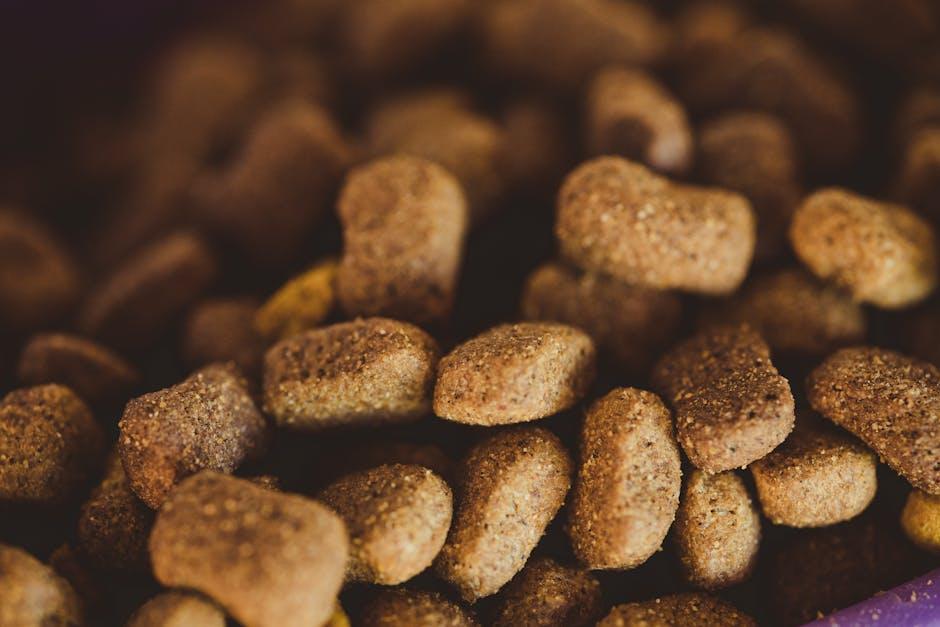
Tips for Transitioning Your Puppy to a New Diet Safely
Introducing a new diet to your puppy requires patience and a strategic approach. Sudden changes can upset their delicate digestive systems, leading to discomfort and possible health issues. To ease this transition, follow these steps:
- Gradual Introduction: Begin by mixing a small amount of the new food with their current diet. Over a week, gradually increase the proportion of the new food while decreasing the old. This allows your puppy’s digestive system to adjust smoothly.
- Monitor Their Reaction: Pay attention to your puppy’s stool, energy levels, and overall demeanor. If you notice any adverse reactions, such as diarrhea or lethargy, slow down the transition process or consult your veterinarian.
- Consistency is Key: Keep feeding times and portions consistent. Puppies thrive on routine, and maintaining a regular schedule helps them adapt to dietary changes more comfortably.
Remember, every puppy is unique. What works for one may not work for another, so stay attuned to your furry friend’s needs and be ready to make adjustments as necessary.